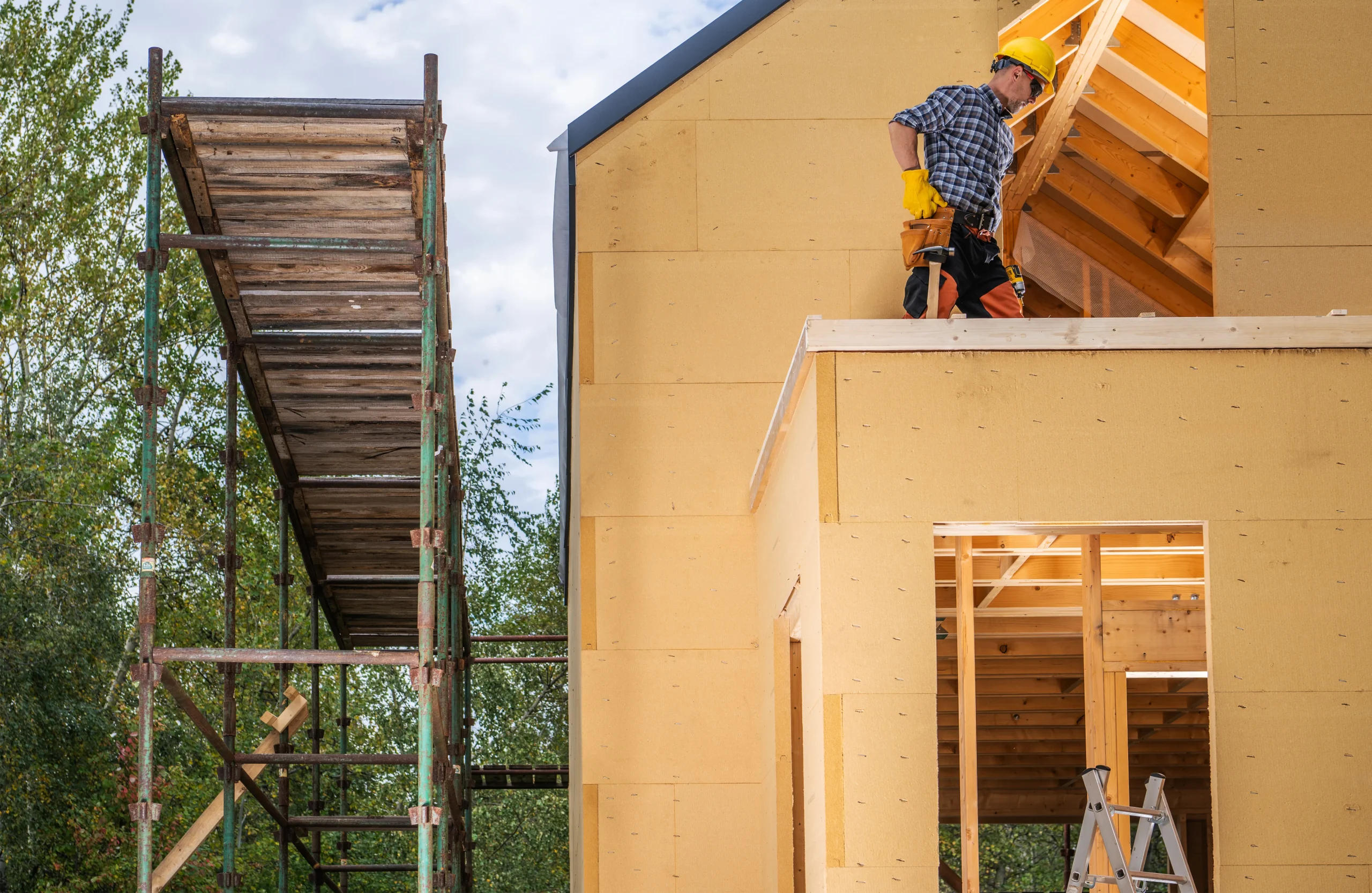

Ever stared at a wall in your home and thought, “I could totally knock this down,” only to immediately picture the ceiling caving in? Yeah, we’ve been there. The leap from daydreaming about your perfect space to actually creating it feels massive. It’s where excitement meets sheer terror. But what if we told you it doesn’t have to be that way? What if the whole process—from that first spark of an idea to the final walkthrough—could actually be, dare we say, enjoyable?
That’s the magic of partnering with the right team. We’re not just talking about any hammer-swingers; we mean a true professional general contractor who acts as your guide, translator, and buffer from the chaos. Think of them as the conductor of your home’s renovation symphony. Without one, it’s just a lot of noisy instruments playing different tunes. IMO, trying to manage a full home remodeling project on your own is like deciding to perform your own dentistry. Technically possible, but why on earth would you?
Why a Local Pro Makes All the Difference
Let’s get real for a second. You can watch a thousand hours of DIY tutorials, but they never show you the part where you discover your “load-bearing” wall is, in fact, very load-bearing. Or when your “simple” kitchen update requires a complete electrical panel upgrade. A local professional doesn’t just bring skill; they bring foresight. They’ve seen the quirks of homes in Denver, Aurora, Lakewood, and Englewood. They know the common issues with older foundations in Edgewater or the specific permit nuances in Commerce City.
When you search for a contractor near you, you’re not just finding convenience. You’re finding someone who understands our soil, our weather, and our neighborhoods. They have established relationships with inspectors and suppliers nearby, which can shave weeks off your timeline. The nearest big-box store might have the materials, but your local pro knows the best local lumberyard for that specific trim you want.
Here’s a personal anecdote from our time at Juniper Construction: We once had a client in Wheat Ridge who was adamant about handling their own bathroom demo. They called us a week later, standing in a puddle, because they’d found a plumbing issue they couldn’t identify, let alone fix. We got it sorted, but the delay and added cost stung. The lesson? Knowing what’s behind the walls before you swing the sledgehammer is priceless. That’s the value of experience.
Decoding Your Project: What Do You Actually Need?
The world of residential construction is full of jargon. Let’s break down what these common project types really entail, so you can chat with your contractor like a pro.
The Interior Game-Changers
These are the projects that transform how you live inside your home’s existing footprint.
Kitchen & Bathroom Renovations
The heart and the sanctuary. A kitchen remodel is about workflow and durability, while a bathroom is about creating a personal oasis. Both offer huge returns on investment and daily joy. They also involve a tight dance of plumbing, electrical, and cabinetry—a perfect recipe for chaos without a clear plan.
Basement Finishing
Ah, the untapped square footage! Turning a concrete box into a livable space is one of the smartest moves for growing families. But basement finishing has unique hurdles: moisture control, egress windows, and ceiling height. It’s not just throwing up some drywall; it’s building a brand-new floor from the ground up.
Expanding Your World
When your current walls just won’t cut it anymore, it’s time to grow outward or upward.
Home Additions & ADUs
Need a master suite, a sunroom, or a dedicated home office? A home addition is a major undertaking that changes your home’s roofline and foundation. An ADU (Accessory Dwelling Unit) is a brilliant solution for multi-generational living or rental income. Both require serious construction chops and a deep understanding of zoning laws in your specific area, whether you’re in Berkley or North Washington.
Whole-House Remodeling
This is the big leagues. Full home remodeling is a phased marathon, not a sprint. It’s about creating a cohesive vision that flows from room to room. It requires a general contractor with stellar project management skills to keep you sane while your entire house is, well, a construction zone.
Your Project Roadmap: What to Expect
Let’s demystify the process. Here’s a typical timeline from concept to completion.
| Phase | What Happens | Key Considerations & Why It Matters |
|---|---|---|
| 1. Vision & Consultation | Initial meetings, idea sharing, site evaluation. | This is where chemistry is key. You’re choosing a partner. Do they listen? Do they get your vision? |
| 2. Design & Planning | Detailed drawings, material selections, engineering. | The most crucial phase. Every decision here prevents change orders later. Measure twice, cut once! |
| 3. Permitting & Approvals | Your contractor submits plans to the city for permits. | A good local pro navigates this bureaucracy efficiently. This is where delays happen if you’re not working with an expert. |
| 4. Construction | The physical work begins. Demolition, framing, etc. | Daily communication is vital. Your contractor should provide clear updates and manage the subcontractor flow. |
| 5. Final Walkthrough & Closeout | A detailed review, punch list creation, and final sign-off. | Don’t rush this. Test every outlet, open every drawer. This is your chance to ensure perfection. |
Picking Your Partner: More Than Just a Price Tag
Choosing the right team is the single most important decision you’ll make. It’s not about finding the cheapest bid; it’s about finding the best value and the best fit. FYI, the lowball bid is often the most expensive one in the long run.
Here’s what we always recommend you look for:
- Local Reputation & Portfolio: Do they have proven examples of work in Glendale or Englewood? Can you visit a finished project?
- Communication Style: Do they respond promptly? Do they explain things clearly, or do they make you feel silly for asking questions?
- Licensing & Insurance: This is non-negotiable. It protects you, your home, and their workers.
- Detailed Contracts: The scope of work, payment schedule, and timeline should be crystal clear. Vagueness is your enemy.
We built Juniper Construction on this principle of partnership. We’re not just another Denver contractor; we’re your neighbors. We want your project to be something we’re all proud of, a story with a happy ending (and a beautiful new kitchen). When you’re ready to talk about your renovations, give us a shout. We’d love to hear what’s brewing in that imagination of yours.
Your Top Questions, Answered
Q: How long will my project actually take?
A: Honest answer? It depends. A bathroom might be 4-6 weeks, a full addition 4-6 months. The timeline your professional provides should include buffer for the unexpected (which always appears). The key is constant communication about progress. We keep a shared timeline with all our clients so there are no nasty surprises.
Q: How do you handle dust and mess during construction?
A: Like a biohazard team 🙂 Seriously, containment is critical. We use zip-wall barriers, heavy-duty floor protection, and negative air machines to seal off the work area. Your living space should stay livable. If a contractor doesn’t have a clear dust-mitigation plan, that’s a major red flag.
Q: Can I live in my home during a major remodel?
A: You can, but you need to prepare for an adventure. There will be noise, dust (despite best efforts), and periods without water or power. For extensive full home remodeling, some clients choose to move out for a phase. We help you plan for this upfront so you can make the best choice for your family’s sanity.
So, is it time to stop staring at that wall and start planning what’s on the other side? The journey might seem daunting, but with the right guide, it’s one of the most rewarding adventures you can take as a homeowner. Your dream space isn’t just a Pinterest board—it’s a series of very deliberate, well-managed steps away. Let’s take the first one together.