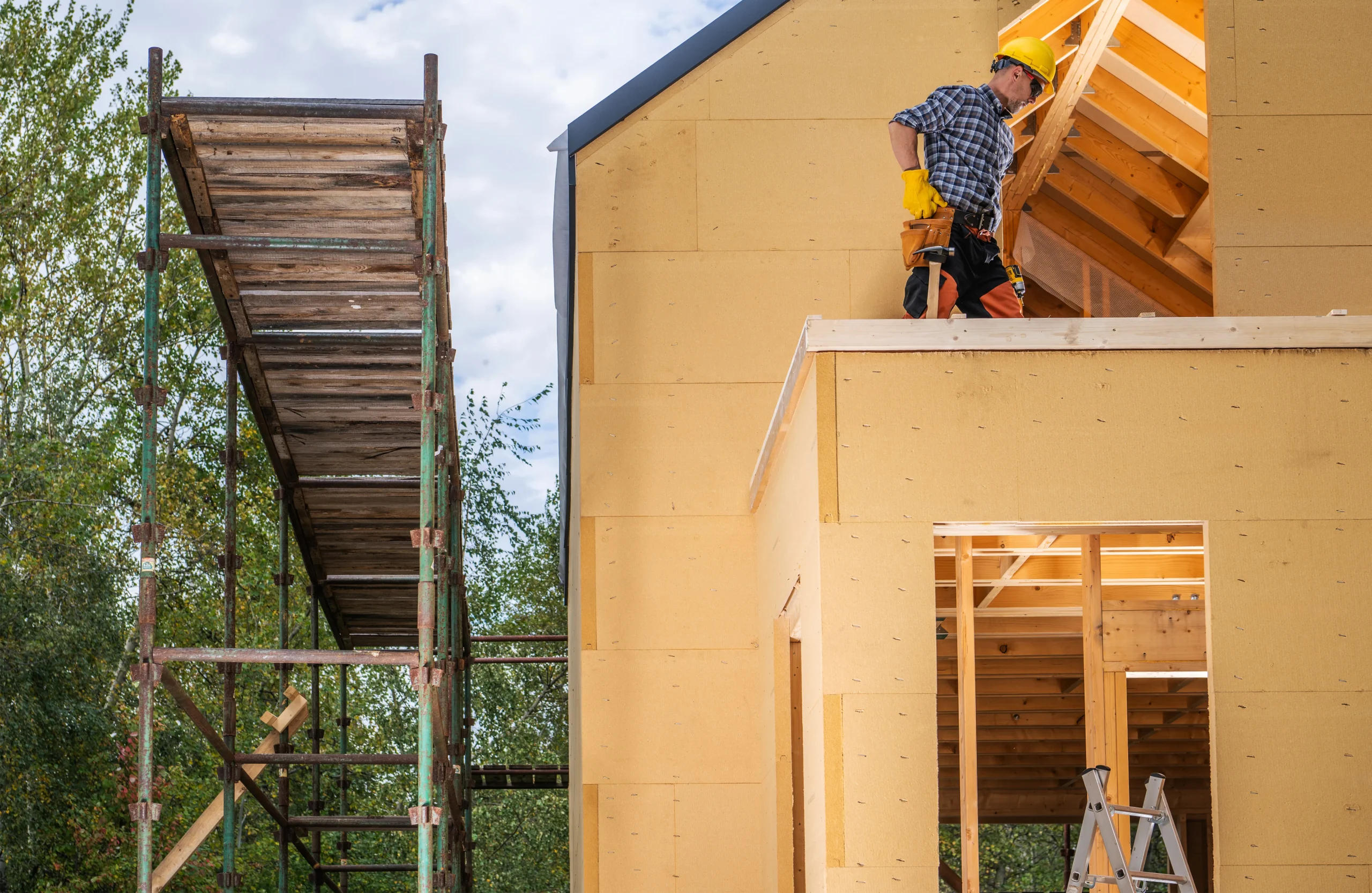
So, you’re staring at that awkward corner of your basement, the one that’s been collecting dust and old holiday decorations since 2017, and you’re thinking, “I could do something with this space.” Or maybe your kitchen counters are starting to look like a war zone, and you’re one burnt pan away from just bulldozing the whole thing. We get it. We’ve been there ourselves, and honestly, that itch to transform your home is both exciting and terrifying. Whether you need a full home remodeling overhaul or just a fresh coat of sanity in your bathroom, we want to talk about how to actually pull this off without losing your mind—or your wallet.
We’re not here to sell you a pipe dream. We’re here to walk through the nuts and bolts of residential construction, from basement finishing to ADU builds, and we’ll do it with a little humor and zero fluff. After all, we run Juniper Construction right here in Denver, and we’ve seen it all—the good, the bad, and the “why did they paint the ceiling neon orange?” So grab a coffee, ignore that pile of mail on the counter, and let’s chat.
Why Your Home Deserves More Than a Quick Fix
Ever wonder why some renovations look amazing on Pinterest but feel like a cheap motel in real life? That’s because slapping on new paint and calling it a day isn’t a renovation—it’s a band-aid. A real transformation takes planning, skill, and a general contractor who actually listens. We’re talking about structural changes, smart layouts, and materials that don’t disintegrate after one winter.
IMO, the biggest mistake homeowners make is rushing into a project without a solid plan. They see a deal on countertops and suddenly they’re ripping out cabinets at midnight. Slow down. A professional approach means you get a space that works for your life, not against it. Think about it: would you rather have a kitchen that looks good in photos but makes you trip over the island every morning? Or a kitchen that flows like a dream and actually holds all your stuff? Yeah, we thought so.
The Real Cost of DIY vs. Hiring a Pro
We love a good DIY project—building a bookshelf or painting a accent wall? Go for it. But when it comes to major work like a home addition or basement finishing, the line between “saving money” and “calling a plumber at 2 AM” gets blurry real fast. We’ve seen homeowners try to wire their own basement only to blow a fuse and flood the laundry room. Not kidding.
Hiring a general contractor near your home isn’t just about convenience; it’s about safety and sanity. We handle permits, inspections, and the headache of coordinating electricians, framers, and drywallers. FYI, that’s a lot of moving parts. When you work with Juniper Construction, we bring the whole team together so you don’t have to play referee. Plus, we know the local codes in Denver, Aurora, and Lakewood like the back of our hand.
Breaking Down the Big Projects: What Actually Works
Not all renovations are created equal. Some projects give you a massive return on investment, while others just make your house look like a circus tent. Let’s break down the heavy hitters.
Full Home Remodeling: When You Want to Gut Everything
Sometimes you walk into your house and think, “I hate every single wall.” That’s when a full home remodeling project makes sense. We’re talking about ripping out old carpets, knocking down load-bearing walls (safely, obviously), and reimagining the entire flow. This isn’t for the faint of heart, but the results are incredible.
We did a full home remodel in Glendale last year where the owners wanted an open-concept living area but had a maze of tiny rooms. We removed two walls, added a steel beam, and suddenly their 1970s split-level became a modern loft. The key? Listening to what they actually needed, not just what looked cool on Instagram.
Kitchen and Bathroom Renovations: The Heavy Lifters
Let’s be honest: kitchens and bathrooms sell houses. They also break budgets faster than a teenager with a credit card. A kitchen renovation should focus on functionality first, aesthetics second. We always ask clients: “How do you actually cook? Do you need a pot filler? Do you hate your current sink placement?” Those details matter.
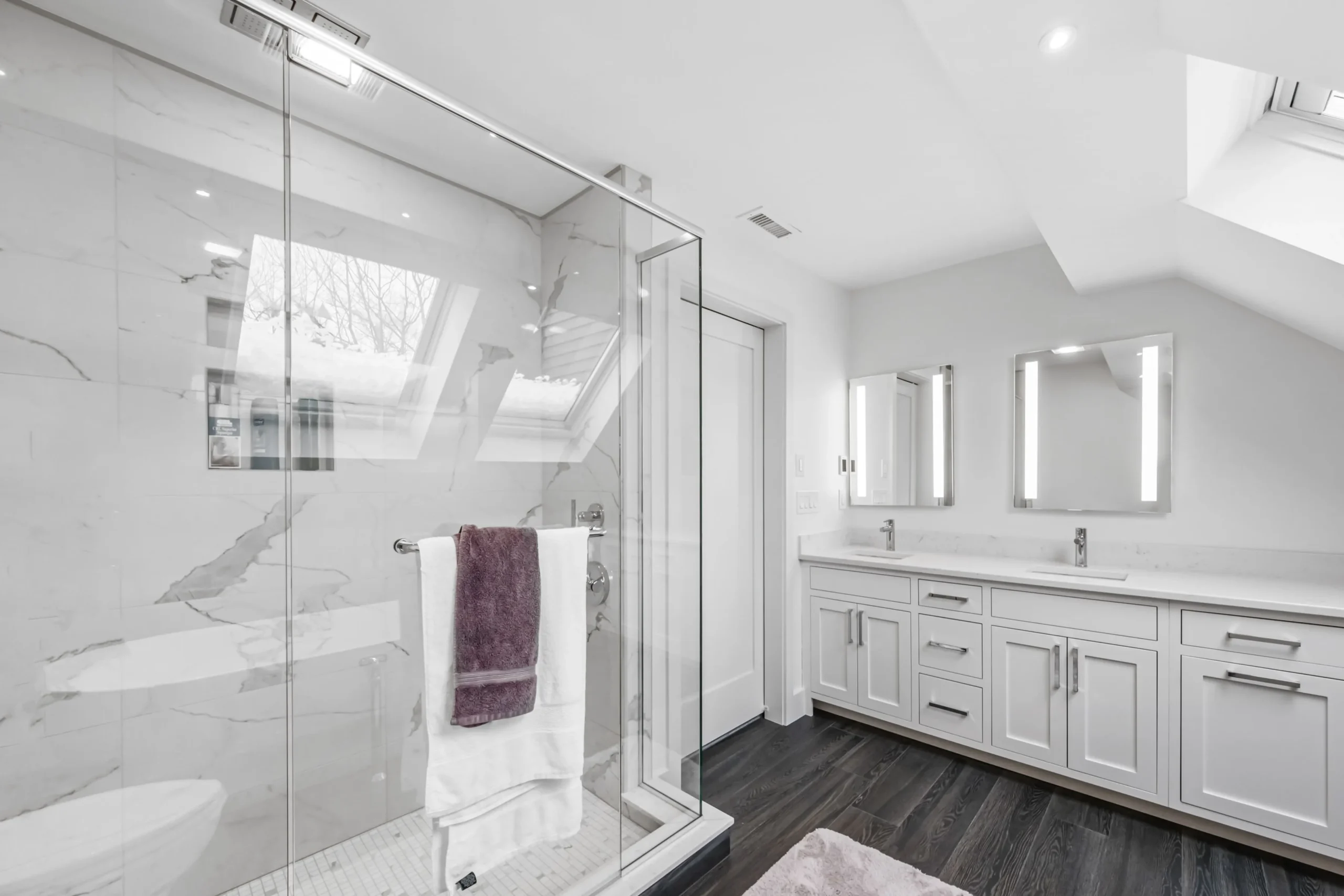
For bathrooms, we emphasize waterproofing and lighting. Nothing kills a relaxing bath faster than a dim, moldy shower. In Edgewater, we transformed a cramped bathroom into a spa-like retreat by simply moving the toilet six inches and adding a skylight. Small changes, huge impact.
Basement Finishing: Turning Storage into Living Space
Basements are the ultimate blank canvas—or the ultimate black hole. We’ve finished basements that became home theaters, gyms, rental suites, and even a recording studio (yes, really). The trick is dealing with moisture and proper egress windows. Skip those steps, and you’ll have a moldy dungeon instead of a cozy den.
Basement finishing in Denver is especially tricky because of our clay soil and foundation quirks. That’s why you need a professional who understands local conditions. We’ve done stunning basement builds in Lakewood and Wheat Ridge, turning cold concrete boxes into warm, livable spaces.
ADU and Home Addition: More Room Without Moving
Maybe you love your neighborhood but hate your square footage. An ADU (accessory dwelling unit) or home addition is the answer. Think of it as building a tiny house in your backyard or adding a second story. It’s complex, but it beats packing up and moving to the suburbs.
We recently completed an ADU in Berkley that serves as a rental unit. The owners now earn passive income while their property value skyrocketed. Not bad for a structure that used to be a shed. For home additions, we focus on blending the new with the old so it doesn’t look like Frankenstein’s monster attached to your house.
The Nitty-Gritty: A Handy Table for Your Project Planning
Let’s get practical. Here’s a quick comparison of common renovation types to help you decide which path to take. We’ve based this on our experience with residential construction projects across Denver and nearby suburbs.
| Project Type | Average Timeline | Typical Cost Range | Best For | Common Pitfalls |
|---|---|---|---|---|
| Kitchen Renovation | 6-12 weeks | $25k – $75k | Cooking families, resale value | Over-customizing, ignoring layout |
| Bathroom Renovation | 3-6 weeks | $10k – $30k | Master suites, guest baths | Poor waterproofing, bad lighting |
| Basement Finishing | 8-16 weeks | $20k – $50k | Extra living space, rentals | Moisture issues, low ceilings |
| ADU Construction | 4-8 months | $50k – $150k | Rental income, multigenerational living | Zoning laws, utility connections |
| Full Home Remodeling | 4-12 months | $80k – $300k | Major layout changes, outdated homes | Budget overruns, structural surprises |
| Home Addition | 3-9 months | $60k – $200k | Growing families, extra bedrooms | Foundation issues, permit delays |
We keep this table handy when meeting clients in Commerce City or Englewood. It helps set realistic expectations—because nothing kills a relationship faster than promising a three-week kitchen remodel and delivering a three-month saga.
Choosing the Right General Contractor Near You
So you’re ready to pull the trigger. Now comes the hard part: finding a general contractor who won’t ghost you after the first check. We’ve heard horror stories from homeowners in Aurora and North Washington about contractors who left jobs half-finished or used subpar materials. Don’t be that statistic.
What to look for in a professional:
- Licensed and insured. This is non-negotiable. If they can’t show you proof, run.
- Local experience. A contractor who knows Denver’s permitting process and soil conditions is worth their weight in gold.
- Transparent communication. They should answer your calls and explain the process without jargon.
- References. Ask for recent projects similar to yours. If they hesitate, that’s a red flag.
When you work with Juniper Construction, you get all of that plus a team that actually enjoys the process. We’re based in Denver, but we serve the nearest communities like Glendale, Edgewater, Lakewood, and Wheat Ridge. We’ve even done projects in Berkley and Commerce City. Our goal is to make your renovation feel like a collaboration, not a hostage situation.
Three Common Questions We Hear (Answered Honestly)
1. How do I know if my basement is worth finishing?
Look at the ceiling height, moisture levels, and access. If your basement has at least 7 feet of clearance and no history of flooding, it’s a solid candidate. We can do a free walkthrough to check for red flags. Most basements in Denver are actually great for finishing—just don’t expect to put a pool table under a 6-foot duct.
2. Can I live in my house during a full home remodeling?
Technically yes, but we don’t recommend it unless you enjoy camping indoors. Dust, noise, and missing walls make daily life chaotic. For major projects, we suggest renting a short-term place or staying with family. Your sanity is worth the expense.
3. How much should I budget for an ADU in Denver?
Expect to spend between $50,000 and $150,000 depending on size, finishes, and utilities. ADUs require separate electrical and plumbing connections, plus permits from the city. We’ve built affordable options in Aurora and more premium units in Glendale. The key is planning early and getting a contractor who knows local zoning.
Wrapping This Up Without the Fluff
Look, renovating your home is a big deal. It’s messy, expensive, and occasionally feels like you’re herding cats. But when it’s done right, the payoff is incredible. You get a space that fits your life, adds value to your property, and maybe even makes your friends jealous (in a nice way).
We’ve been doing this for years at Juniper Construction, and we still get excited every time we see a finished project. Whether you’re in Denver, Lakewood, or Edgewater, we’re the general contractor you want on speed dial. Give us a call when you’re ready to turn that chaotic idea into a real, livable space. Just don’t call us at 2 AM—we’re probably dreaming about drywall. 🙂