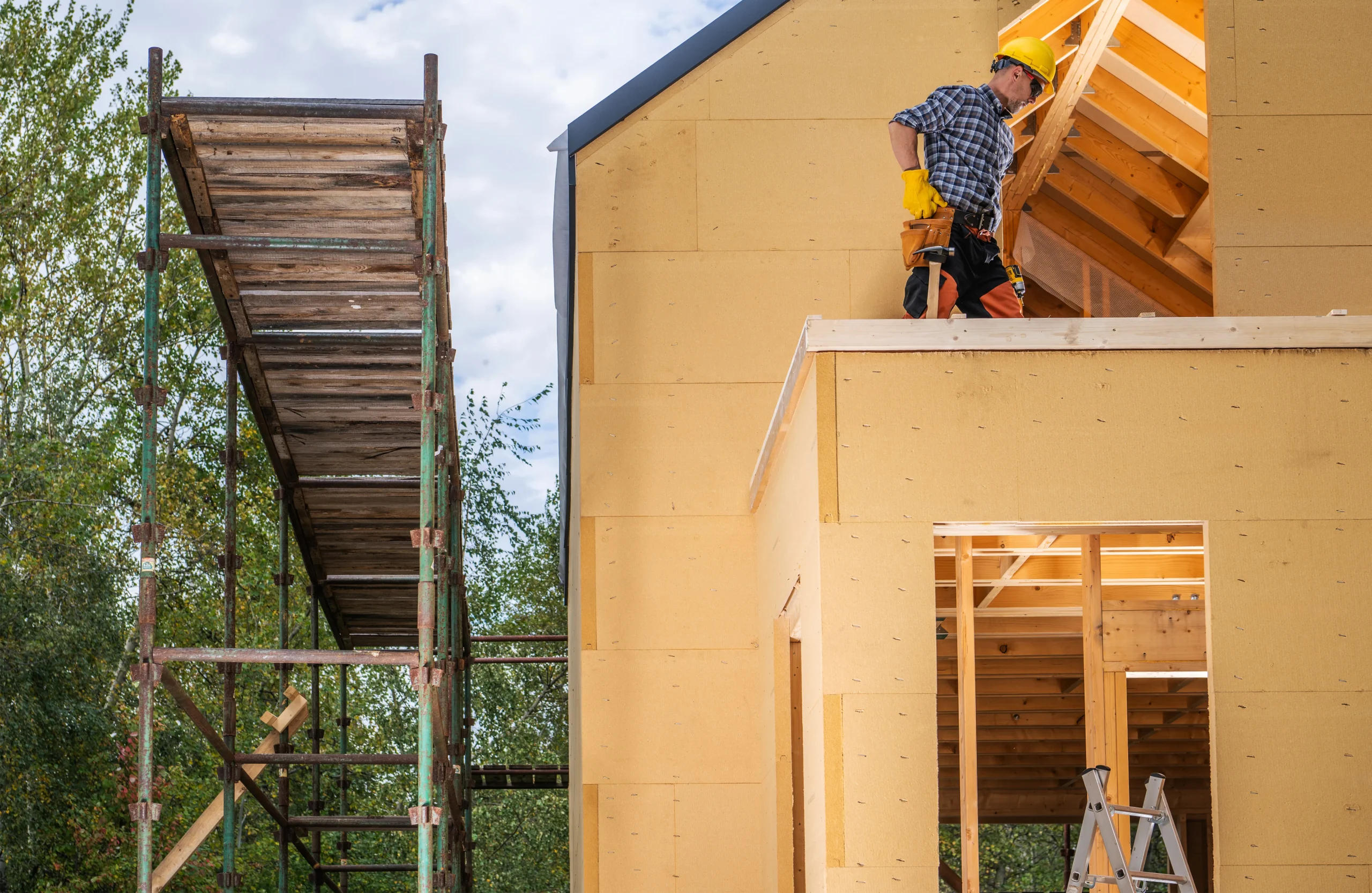
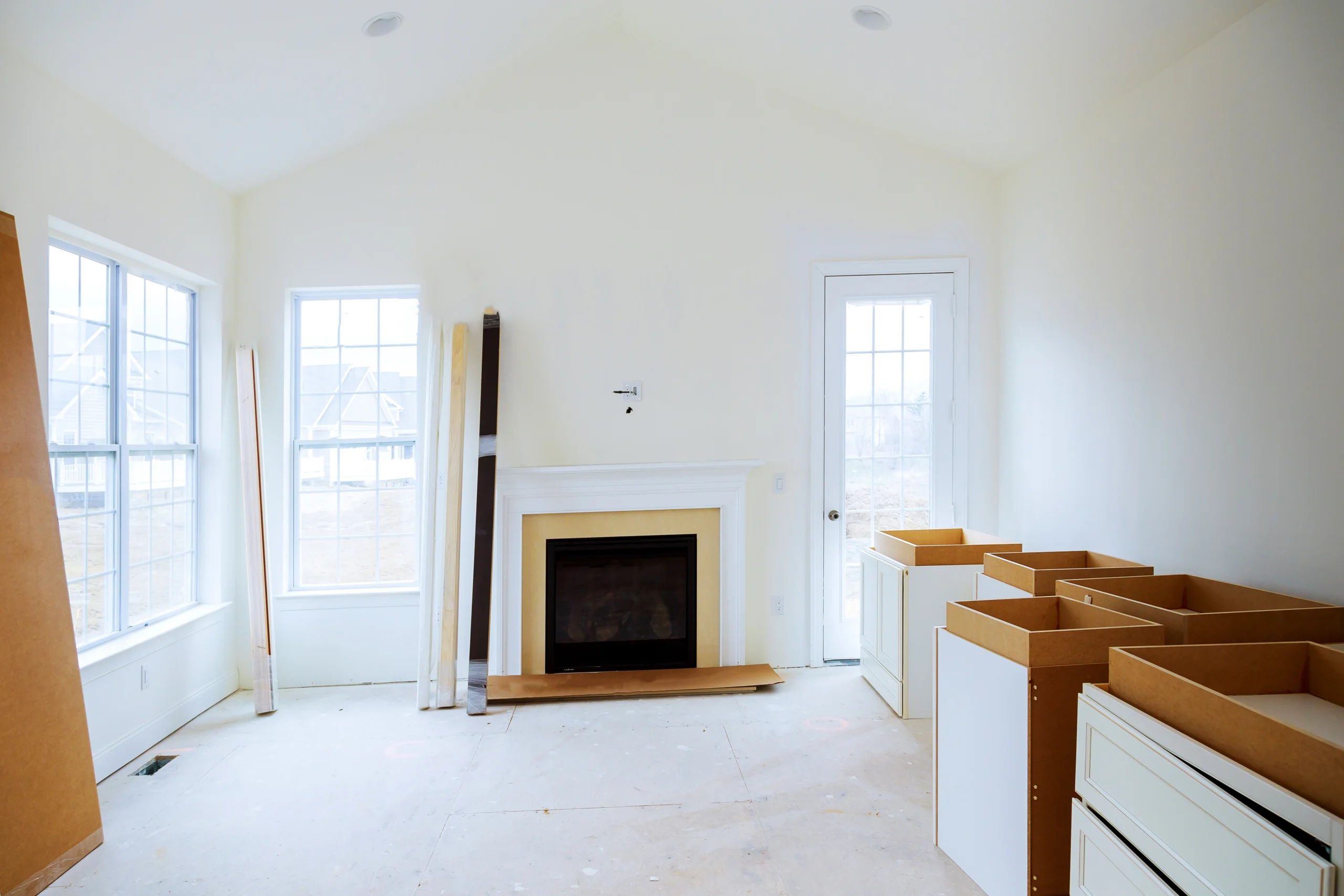
So, you’re thinking about tackling a major home renovation, and you’ve already realized that the “fun” part—scrolling through Pinterest boards and picking out tile—is way more enjoyable than the actual logistics. Am I right? We’ve all been there, staring at a wall we want to knock down, wondering if we should call in the pros or just rent a sledgehammer and hope for the best. Spoiler alert: we strongly advise against the sledgehammer route. From our experience running Juniper Construction right here in Denver, we’ve seen the difference between a DIY nightmare and a smooth, professional transformation. Let’s talk about how to actually make your dream space a reality without losing your mind.
Why You Need a General Contractor (Even If You Think You Don’t)
Look, we get it. Hiring a general contractor feels like adding an extra layer of cost and bureaucracy to something you could theoretically manage yourself. But here’s the thing: managing a full home remodeling project is like juggling chainsaws while riding a unicycle. You might pull it off, but the odds of losing a finger (or your sanity) are high.
A professional general contractor does more than just swing a hammer. They are the quarterback of your project. They coordinate the electricians, plumbers, framers, and drywallers. They pull the permits so you don’t have to spend three hours at the county office. Most importantly, they know the nearest suppliers and can get materials at prices you can’t touch. Ever wondered why your buddy’s kitchen remodel took two years? He didn’t hire a general contractor.
What a good GC actually does for you:
- Schedules every trade so the plumber doesn’t show up before the walls are framed.
- Manages the budget so you don’t accidentally spend your vacation fund on custom cabinets.
- Solves problems like discovering a load-bearing wall in the middle of demo (this happens more often than you think).
- Keeps the project moving so you aren’t living in a construction zone for months.
Our take: We’ve seen homeowners try to act as their own general contractor and save a few bucks. They almost always end up calling us halfway through, stressed out and over budget. IMO, paying a professional is the best money you’ll spend on your renovations.
The Big Three: Kitchen, Bathroom, and Basement Finishing
Most of the calls we get at Juniper Construction fall into three categories. People either want a dream kitchen, a spa-like bathroom, or they want to reclaim that creepy dungeon they call a basement. Let’s break each one down because they all have their own quirks.
Kitchen Remodeling: The Heart of the Home (and the Budget)
A kitchen remodel is the most disruptive but also the most rewarding. You can’t cook for a month, you eat cereal for dinner, and your spouse starts giving you the look. But when it’s done? Absolute magic.
When we do kitchen work, we focus on the “work triangle”—the flow between your sink, stove, and fridge. If that’s broken, your kitchen will annoy you every single day. We also love sneaking in a home addition if you need more square footage. Ever tried to fit an island into a tiny galley kitchen? It’s like trying to park a bus in a compact car spot.
Key features we always recommend:
- Soft-close drawers (seriously, don’t skip these).
- A deep, single-basin sink (washing a baking sheet is a breeze).
- Under-cabinet lighting (it makes the space look 10x bigger).
Bathroom Remodeling: Where You Go to Hide
The bathroom is the smallest room in the house but somehow costs a fortune to fix. Why? Water. Water is the enemy of all construction. One leaky pipe behind a wall can ruin your entire floor.
We’ve done bathroom remodels in Aurora, Lakewood, and all over the metro area. The biggest mistake people make is buying a vanity that’s too big for the space. You measure once, buy it, and then realize you can’t open the toilet lid. Classic.
Our advice: Go with a curbless shower if you can. It looks modern, is easier to clean, and adds serious value to your residential property. Plus, you don’t have to step over a giant lip to get in. :/
Basement Finishing: The Man-Cave or the Rental Unit?
Basement finishing is our secret weapon for adding value. Most Denver homes have that unfinished, dusty space full of spiderwebs and old Christmas decorations. Turning it into a livable area is one of the smartest moves you can make.
We recently finished a basement in Glendale that we turned into a full apartment. It had a kitchen, a bathroom, and a separate entrance. That’s an ADU (Accessory Dwelling Unit) folks. It’s like printing money because you can rent it out.
What you need to know about basement finishing:
- You must address moisture first. No one wants a moldy carpet.
- Ceiling height matters. If you’re 6’2”, a 7-foot ceiling will drive you crazy.
- Egress windows are non-negotiable for bedrooms (safety first, sarcasm second).
ADUs and Home Additions: The Space You Deserve
Let’s talk about ADU construction and home addition projects. Maybe you have a growing family, or you want a dedicated home office that isn’t the dining room table. Building out or up is often cheaper than moving, especially in this market.
An ADU is a separate living unit on your property. It can be a garage conversion, a basement apartment, or a standalone structure in the backyard. We’ve built them in Englewood, Edgewater, and Commerce City. They are fantastic for multi-generational living or passive income.
Home addition is trickier because you’re tying new construction to old construction. You have to match foundations, rooflines, and siding. That’s not a DIY job. That’s a job for a professional who understands structural loads.
Why we love this work:
- It solves the “we need more space” problem without the hassle of moving.
- It increases your property value significantly.
- It lets you customize your home exactly how you want it.
Where We Work: The Denver Metro and Beyond
We operate out of Denver, but we don’t just stick to the city limits. Our services cover a wide range of nearby communities. If you live in Aurora, Lakewood, Glendale, Englewood, Edgewater, Commerce City, Wheat Ridge, Berkley, or North Washington, we are your nearest general contractor.
Why does that matter? Because residential construction is hyper-local. The building codes in Denver are different from those in Aurora. The permitting process in Wheat Ridge is a whole different beast. We know those inspectors. We know the local supply houses. We know what works for each neighborhood.
A quick comparison of nearby cities for your project:
| City | Typical Permit Wait Time | Common Project Type | Local Quirk |
|---|---|---|---|
| Denver | 2-4 weeks | Full home remodeling | Strict historic district rules |
| Aurora | 1-2 weeks | Basement finishing | Radon mitigation required often |
| Lakewood | 2-3 weeks | Kitchen & Bathroom | Hillside lots need extra engineering |
| Glendale | 1 week | ADU construction | Small city, very responsive staff |
| Englewood | 2 weeks | Home addition | Older homes, tricky foundations |
| Edgewater | 1-2 weeks | Renovations | Small lots, tight access |
| Commerce City | 2-3 weeks | New Construction | Growing fast, new subdivisions |
| Wheat Ridge | 2-4 weeks | Basement finishing | Flood plain awareness needed |
| Berkley | 1-3 weeks | Full home remodeling | Mix of old and new builds |
| North Washington | 2-3 weeks | Home addition | Unincorporated area, different rules |
Three Common Questions We Get (And the Real Answers)
We hear the same questions over and over. Here are the honest answers, no fluff.
1. How much does a full home remodeling actually cost?
That’s like asking, “How long is a piece of string?” It depends entirely on the scope. For a full home remodeling in Denver, you can expect to spend anywhere from $100 to $250 per square foot. A kitchen alone can run $30,000 to $75,000. A bathroom is usually $15,000 to $35,000. Basement finishing is typically cheaper, around $50 to $80 per square foot. FYI: The biggest cost drivers are labor and materials, not our markup.
2. Do I need a permit for my renovation?
Yes. 99% of the time, yes. If you are moving a wall, changing plumbing, or adding electrical, you need a permit. Doing work without one is like driving without insurance—fine until you get caught, and then it’s a disaster. We handle all permitting for you. It’s boring, but we do it so you don’t have to.
3. How long will my project take?
A kitchen remodel usually takes 6 to 10 weeks. A bathroom is 3 to 5 weeks. Basement finishing can be 8 to 12 weeks. A home addition or ADU is a bigger beast, often 4 to 6 months. Delays happen. Materials get backordered. The inspector gets sick. That’s real life. We build buffer time into our schedules so we aren’t stressed.
Wrapping This Up (And What To Do Next)
Look, renovating your home is a big deal. It’s stressful, expensive, and messy. But the result—a space that actually works for your life—is worth every headache. Whether you need a simple bathroom refresh or a massive home addition, you don’t have to figure it out alone.
We’ve been doing this in Denver and the surrounding areas for years. We know the ins and outs of residential construction, from basement finishing in Wheat Ridge to building ADUs in Berkley. We are a professional general contractor that actually answers the phone and shows up on time. Crazy, right?
So, if you’re tired of looking at that outdated kitchen or that unfinished basement, give us a call. Juniper Construction is your nearest resource for turning your house into a home you actually love. We’ll handle the chaos, and you can get back to doing the fun stuff—like picking out that fancy faucet.