So, you’re thinking about turning that dark, dusty basement into something actually useful? Or maybe you’ve been staring at your cramped kitchen, wondering if you can knock down that wall without the house collapsing. I get it. We’ve been there too—standing in a room that feels more like a storage unit than a living space, daydreaming about what it could be. From our business standpoint, we’ve walked through hundreds of homes just like yours in Denver, and we’ve learned one thing: the difference between a good renovation and a nightmare usually comes down to who you hire.
We’re not just talking about picking the nearest general contractor you find on Google. We’re talking about finding a professional team that actually listens, doesn’t ghost you, and understands the quirks of residential construction in this city. FYI, we’ve seen it all—from basements that flood every spring to kitchens that look like they were designed by a toddler with a crayon. IMO, the secret to a smooth full home remodeling project is having a partner who treats your house like their own. That’s where Juniper Construction in Denver comes in, but we’ll get to that in a bit. First, let’s break down what you actually need to know.
Why Your Basement Deserves Better Than a Mop and a Dusty Couch
Let’s be real: most basements are wasted potential. You’ve got this massive square footage sitting underground, and what do you do with it? You store holiday decorations, an old treadmill you swear you’ll use, and maybe a ping-pong table. Sound familiar? Basement finishing is one of the smartest investments you can make in your Denver home, especially if you’re looking for extra living space without the headache of moving. But here’s the kicker—you can’t just slap some drywall on the walls and call it a day.
The Hidden Challenges Nobody Talks About
Ever wondered why some basements smell like a wet sock no matter how many dehumidifiers you buy? That’s because waterproofing and proper insulation are non-negotiable. We’ve walked into basements in Lakewood and Aurora where the previous “handyman” just painted over the cracks. Spoiler alert: that doesn’t work. A real general contractor will test for moisture, check your sump pump, and make sure your basement finishing project doesn’t turn into a mold farm. We once had a client in Englewood who thought they could save money by doing the framing themselves. Three months later, they called us to fix a sagging ceiling. Don’t be that person.
From Storage Space to a Second Living Room
We’ve turned basements into home theaters, guest suites, and even home gyms that people actually use. The trick? Proper egress windows (yes, they’re required by code) and strategic lighting. You don’t want your finished basement to feel like a cave. We love using recessed lighting and light-colored paint to bounce light around. If you’re in Glendale or Edgewater, you know that basements can get chilly, so we always recommend radiant floor heating or a good mini-split system. It’s a game-changer.
Kitchen Renovations: Where the Magic (and the Mess) Happens
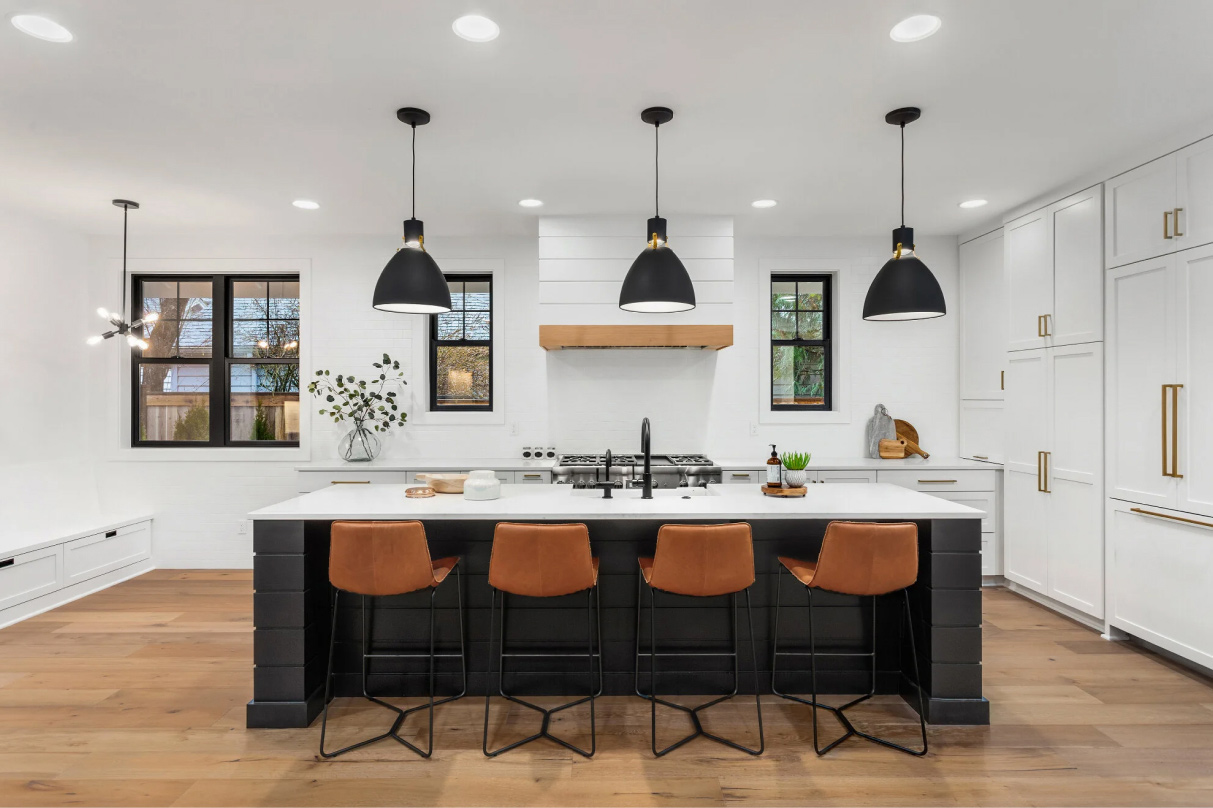
We’re going to say something controversial: your kitchen is probably the most overpriced room in your house. Not because it isn’t important, but because people spend a fortune on granite countertops and then forget about the layout. A kitchen renovation isn’t just about making it look pretty—it’s about making it work for how you actually cook. We’ve seen so many homes in Denver where the sink is a mile away from the stove. Who designed that? A masochist?
The Triangle Rule Is Not Just Geometry Class
Every professional will tell you about the work triangle—the path between your sink, stove, and refrigerator. We’ve done kitchen remodels in Wheat Ridge and Berkley where we moved plumbing and gas lines just to fix a broken triangle. Is it expensive? Yes. Is it worth it? Absolutely. We once had a client in North Washington who insisted on keeping their original layout because “it’s fine.” After we opened up the wall, we found knob-and-tube wiring from the 1950s. Sometimes, you don’t know what you’re dealing with until you start demo.
Cabinets: Custom vs. Semi-Custom vs. “I’ll Just Build Them Myself”
We’re not going to lie—custom cabinets are amazing. They fit perfectly, they look high-end, and they make your kitchen feel like a showroom. But they also cost a small fortune. For most of our residential projects in Aurora and Commerce City, we recommend semi-custom cabinets. You get the flexibility of custom sizes without the “I need to sell a kidney” price tag. And please, for the love of all that is holy, don’t buy cabinets from a big-box store and expect them to last. We’ve seen particleboard cabinets swell up from a single leak. Not cute.
Bathroom Remodels: Because You Deserve a Spa, Not a Mold Farm
Let’s talk about bathroom renovations. They’re small, they’re expensive, and they’re the most likely to go sideways. Why? Because water finds a way. We’ve ripped out showers in Lakewood where the tile was installed over drywall instead of cement board. That’s not a “oopsie,” that’s a disaster waiting to happen. A professional bathroom remodel should always include waterproofing membrane, proper venting, and a licensed plumber who doesn’t use SharkBite fittings in the walls. (Yes, we’ve seen that too.)
The Shower Debate: Tile vs. Solid Surface
We get asked this question at least once a week: “Should I do subway tile or a solid-surface shower panel?” Here’s our honest take—large-format tile looks amazing and gives you endless design options. But it also means more grout lines to clean. Solid-surface panels (like the ones you see in hotels) are super easy to clean and less likely to leak. For a bathroom in Englewood or Glendale, we usually lean toward tile for the resale value, but we always seal the grout. If you hate cleaning, go with the panel. No judgment.
Why You Need a Curbless Shower (or Not)
Curbless showers are trendy, and they look sleek. But they require pre-sloping the floor and careful waterproofing. If you’re in Edgewater or Wheat Ridge, you might also need to raise the floor, which can be a pain. We’ve done them in Denver homes where the homeowners wanted a wheelchair-accessible setup. They’re beautiful, but they’re not a weekend DIY project. Call us if you’re considering this—we’ll tell you if your house is a good candidate.
ADUs and Home Additions: The Real Estate Hack You Need
If you’ve got a large lot or a weird space above the garage, you’re sitting on a goldmine. ADU (Accessory Dwelling Unit) construction is booming in Denver, and for good reason. You can rent it out for passive income, house an aging parent, or use it as a home office that’s actually separate from your living room. We’ve built ADU units in Berkley and North Washington that pay for themselves in less than five years. But here’s the catch: zoning laws are a nightmare.
The Permit Process: Boring but Vital
We can’t stress this enough—do not build an ADU without permits. We’ve seen people in Aurora get slapped with fines and forced to tear down their illegal units. A general contractor like Juniper Construction handles all the permitting for you. We know the inspectors in Lakewood, Commerce City, and Glendale personally. We know which ones are sticklers about setbacks and which ones will let you slide on a minor detail. Save yourself the headache.
Home Addition: Going Up vs. Going Out
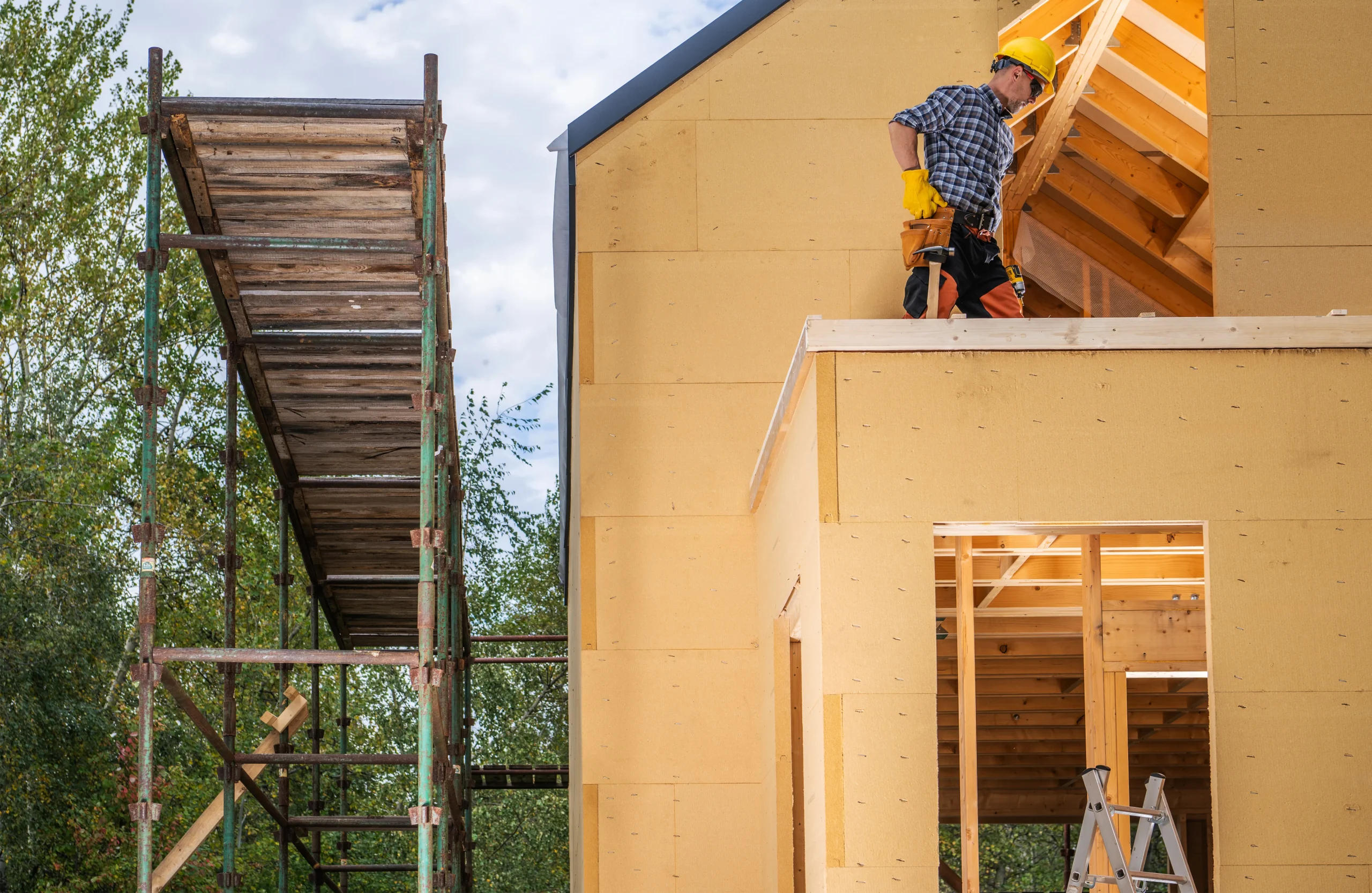
When you need more space, you have two options: build out or build up. Home addition projects that go outward are usually cheaper because you don’t have to mess with the roof. But if you’re on a small lot in Englewood or Edgewater, you might have to go up. We recently finished a second-story addition in Denver that added a master suite and a home office. The view of the mountains from the new windows? Worth every penny. Just be prepared for the scaffolding and the noise.
Why You Shouldn’t DIY a Full Home Remodel
Look, we love a good DIY project. We’ve built our own bookshelves, painted rooms, and even installed a toilet once. (It didn’t leak, surprisingly.) But a full home remodeling project is a different beast. You’re talking about structural changes, electrical work, plumbing, and HVAC—all things that can kill you if done wrong. We’re not being dramatic. We’ve literally pulled out DIY wiring that was a fire hazard.
The Hidden Costs of Going Cheap
We get calls all the time from homeowners in Aurora and Lakewood who say, “We hired a guy off Craigslist, and now the floor is sagging.” That “guy” wasn’t a professional; he was someone with a truck and a hammer. A real general contractor carries insurance, pulls permits, and has a crew that shows up on time. Sure, we cost more upfront. But we also don’t leave you with a half-finished basement finishing project and a hole in your wallet.
When to Call Juniper Construction
If you’re in Denver or any of the nearby areas like Aurora, Lakewood, Glendale, Englewood, Edgewater, Commerce City, Wheat Ridge, Berkley, or North Washington, we’re your nearest option for residential construction and renovations. We specialize in full home remodeling, kitchen and bathroom updates, basement finishing, ADU builds, and home addition projects. We’re based in Denver, but we travel to all those neighborhoods because we believe in services that actually serve the community. Give us a call—we’ll come out, look at your space, and tell you what’s realistic. No fluff, no sales pitch. Just honest advice.
Common Questions About Remodeling (Answered by People Who Do This Every Day)
How much does a basement finishing project cost in Denver?
Basement finishing in Denver typically runs between $40 to $70 per square foot, depending on the complexity. If you want a bathroom, a wet bar, or luxury finishes, you’re looking at the higher end. We’ve done basements in Lakewood for as low as $25,000 (just a basic rec room) and as high as $80,000 (full suite with a kitchenette). The biggest variable is plumbing—running pipes to a basement is expensive. Always get at least three quotes, and make sure they include permits and insulation.
Do I need a permit for a bathroom remodel in Denver?
Short answer: yes, for any structural, electrical, or plumbing work. If you’re just swapping out a vanity and painting, you’re fine. But if you’re moving a toilet, adding a shower, or rewiring the lights, you need a permit. Denver is strict about this. We’ve seen homeowners in Glendale get cited for unpermitted work during a home sale. It’s not worth the risk. Let a professional handle the paperwork.
How long does a full home remodeling take?
It depends on the scope, but a full home remodeling (kitchen, bathroom, floors, paint) usually takes 8 to 16 weeks. A home addition can take 4 to 8 months because of foundation work and inspections. Basement finishing is typically 6 to 10 weeks. We always tell our clients in Commerce City to add a buffer of two weeks for “surprises” like old wiring or mold. Because there are always surprises.
Wrapping This Up (Without the Fluff)
So here’s the deal: remodeling your home is exciting, stressful, and expensive. But it’s also one of the most rewarding things you can do. Whether you’re tackling a kitchen overhaul, basement finishing, or a full ADU build, the key is to work with people who actually care about the outcome. We’ve been doing this for years in Denver and the surrounding areas, and we’ve learned that communication and trust matter more than fancy tile or expensive faucets.
If you’re in Aurora, Lakewood, Glendale, Englewood, Edgewater, Commerce City, Wheat Ridge, Berkley, or North Washington, we’re nearby and ready to help. Juniper Construction in Denver is just a phone call away. We’ll talk you through the process, give you a realistic timeline, and maybe even make you laugh. No pressure, no pushy sales tactics. Just good old-fashioned professional work.
Now go ahead and measure that basement one more time. We’ll be here when you’re ready. 🙂