So, you’re thinking about turning that dark, cluttered basement into something actually useful? Maybe you’ve been staring at the same pile of boxes for the last five years, wondering why you pay to heat and cool a glorified storage unit. We get it. We’ve walked through hundreds of those spaces, and let us tell you: the potential is almost always hiding beneath a layer of dust and bad lighting.
From our business standpoint, we’ve seen basements transform into everything from cozy media rooms to full-on rental units. And honestly, we get a little excited every time we walk down those stairs with a client. It’s like opening a mystery box that could contain a treasure or a moldy rug. Spoiler: it’s usually a treasure. But getting from “ugly” to “amazing” requires a plan, a budget, and someone who knows what they’re doing. That’s where we come in, but we’ll get to that.
Why Basement Finishing Is the Smartest Move You’ll Make This Year
Basement finishing isn’t just about adding square footage. It’s about adding usable square footage without the headache of moving walls or digging a new foundation. Think about it: you already have the walls, the floor, and the roof. You’re essentially just dressing up a space that already exists. Why wouldn’t you do it?
We’ve had clients tell us they were on the fence for years. They worried about water issues, ceiling height, or just the sheer mess of construction. FYI, most of those fears are either outdated or overblown. Modern waterproofing and insulation techniques have come a long way since your grandpa’s damp rec room. And sure, there will be some dust, but the payoff is massive. A finished basement can easily add 20-30% to your home’s value. That’s not just our opinion—that’s market reality in Denver and the surrounding areas.
The “But What If It Floods?” Question
We hear this one constantly. It’s the number one fear, and honestly, it’s valid. Nobody wants to install a beautiful home addition below ground only to have it turn into a swimming pool. IMO, the solution isn’t to avoid finishing the basement; it’s to do it right.
We always start with a thorough inspection and proper drainage solutions. Think sump pumps with battery backups, French drains, and vapor barriers. If you hire a professional general contractor who knows their stuff, water issues become a manageable risk, not a dealbreaker. We’ve finished basements in Glendale and Englewood that sit below the water table, and they’re bone-dry. The secret is preparation, not luck.
Where to Even Start? The Planning Phase
Alright, so you’re sold on the idea. Now what? Do you just grab a sledgehammer and start swinging? Please don’t. That’s how you end up with a hole in your drywall and a very confused spouse.
First, you need a vision. What do you actually want down there? A home theater? A gym? An extra bedroom for when your in-laws visit (you know, the ones who always stay a little too long)? Or maybe you’re thinking about generating some income with an ADU—an Accessory Dwelling Unit.
Defining Your Space: From Man Cave to Rental Unit
Here’s a quick breakdown of the most popular basement uses we see:
- Entertainment Zone: Big screen, wet bar, pool table. Perfect for game nights and avoiding awkward small talk at parties.
- Home Gym: Rubber flooring, mirrors, and good ventilation. No more waiting for a squat rack at the crowded gym.
- Guest Suite: A bedroom, full bathroom, and maybe a small kitchenette. Your guests get privacy, and you get a buffer zone.
- Legal Rental Unit: This is where ADU regulations come into play. It requires separate egress, a kitchen, and often a separate entrance. Basement finishing for this purpose is a whole different ballgame.
We’ve done all of these in Lakewood and Aurora, and each one has its own quirks. For example, a rental unit needs a general contractor who understands local zoning laws. You can’t just slap a hot plate in a closet and call it a day. The city inspectors will have a field day with that.
The Nitty-Gritty: Construction and Renovations
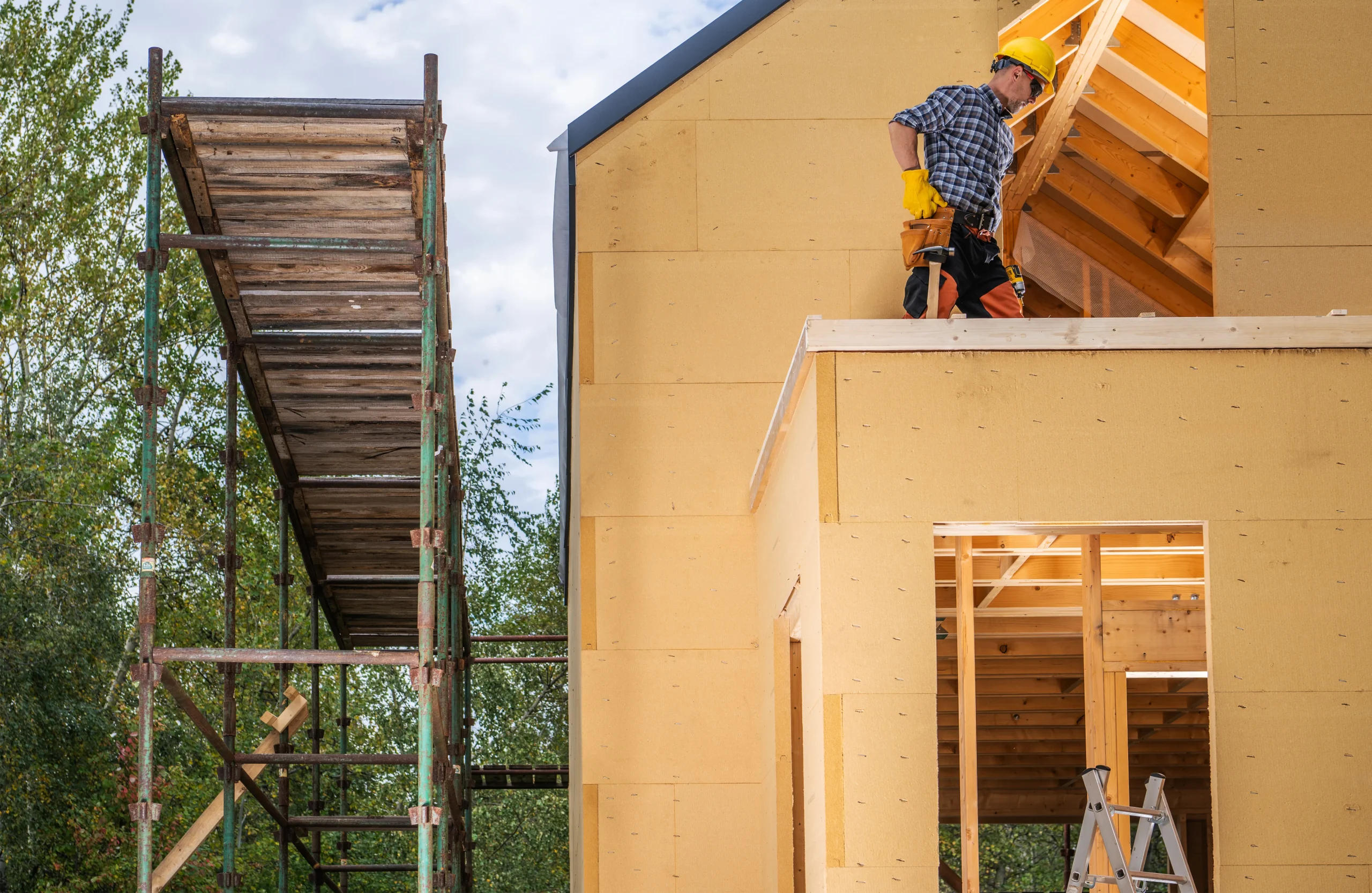
Once the plan is set, the real fun begins. We’re talking about construction—the loud, dusty, magical part where your vision becomes reality. This is where having a reliable team nearby makes all the difference.
We’ve seen homeowners try to act as their own general contractor to save a few bucks. And honestly? It usually ends in tears. Coordinating electricians, plumbers, framers, and drywallers is like herding cats. Except the cats carry expensive power tools and have very strong opinions about conduit placement. Let us save you that headache. At Juniper Construction in Denver, we handle all that chaos so you don’t have to.
Kitchen and Bathroom: The Two Big Ticket Items
If your basement includes a kitchen or a bathroom, those are going to eat up a chunk of your budget. But they also add the most value. A full home remodeling project in the basement isn’t complete without a functional wet area.
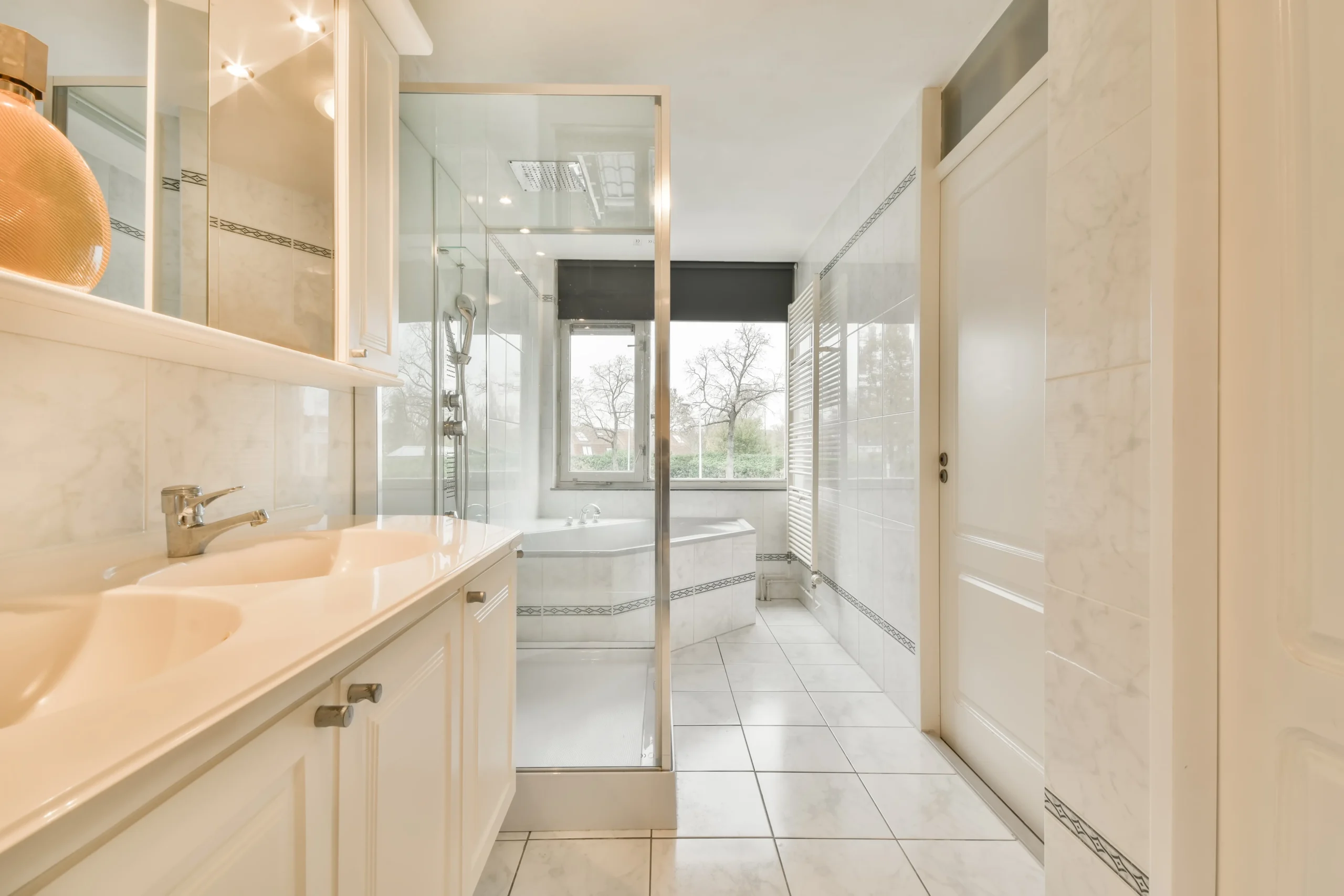
For a basement bathroom, think about a curbless shower. It looks modern, and it’s easier to clean. For the kitchen, go with a compact layout. You don’t need a six-burner range down there. A good sink, a microwave, and a mini-fridge handle 90% of the needs. We recently finished a basement in Commerce City that had a full kitchen and two bathrooms. The owner now rents it out for more than his mortgage payment. Not bad, right?
Navigating the Local Landscape: Denver and Beyond
One thing we love about working in Denver is the variety. Every neighborhood has its own vibe and its own set of challenges. Basement finishing in Wheat Ridge is different from doing it in Edgewater or Berkley. The soil types, the foundation ages, and even the local permit processes vary.
- Aurora: Large lots, often with older homes. We see a lot of structural work here.
- Lakewood: Hillside properties that require creative drainage solutions.
- Glendale: Smaller footprints, so every square inch counts.
- Englewood: Great for rental units due to proximity to light rail.
- North Washington: A mix of established homes and new builds.
- Commerce City: Growing fast, with a focus on family spaces.
If you live in any of these areas, you need a contractor who knows the local inspectors. We’ve built relationships with building departments in Aurora, Lakewood, Glendale, Englewood, Edgewater, Commerce City, Wheat Ridge, Berkley, and North Washington. That means fewer delays and fewer “surprise” requirements. It’s the kind of local knowledge that saves you time and money.
The Permit Dance (Yes, You Have to Do It)
We know, permits are boring. They’re also non-negotiable. A residential renovations project without permits is like driving a car without insurance—you might get away with it for a while, but when something goes wrong, you’re in deep trouble. We handle the permit process for you. It’s part of what makes us a professional general contractor. You focus on picking paint colors; we’ll focus on the paperwork.
A Useful Table: Estimated Costs and Timelines
Let’s get real about money. Below is a rough estimate for basement finishing in the Denver metro area. Keep in mind these are averages. Your actual cost depends on size, finishes, and how many walls you want to move.
| Project Type | Average Cost (per sq ft) | Typical Timeline | Key Considerations |
|---|---|---|---|
| Basic Finish (drywall, flooring, paint) | $35 – $50 | 4-6 weeks | No plumbing or major electrical. |
| Mid-Range (1 bathroom, wet bar) | $55 – $75 | 6-10 weeks | Requires rough-in plumbing. |
| High-End (Full kitchen, 2 baths, ADU) | $80 – $120 | 10-16 weeks | Structural changes, egress windows, separate utilities. |
| Luxury (Home theater, wine cellar, gym) | $100+ | 12-20 weeks | Custom cabinetry, soundproofing, specialty HVAC. |
Bold the key takeaway here: Don’t skimp on the mechanicals. A cheap floor can be replaced. A bad electrical panel or a leaky pipe behind a finished wall is a nightmare. Spend the money where it counts.
Three Common Questions (Answered Honestly)
We get asked the same things over and over. Here are the top three, without the sales pitch.
1. Do I need a permit to finish my basement in Denver?
Yes, absolutely. For any basement finishing project involving electrical, plumbing, or structural changes, you need a permit. Doing it without one can void your insurance and cause issues when you sell the house. We always pull permits. It’s the only way to sleep at night.
2. How long does a basement remodel actually take?
It depends on the scope. A simple paint-and-carpet job might take two weeks. A full home remodeling with a kitchen and bathroom can take three to four months. The biggest delay is usually material availability and the inspection schedule. We try to give you a realistic timeline upfront, and we stick to it as much as humanly possible.
3. Can I finish my basement myself to save money?
You can, but we wouldn’t recommend it unless you’re a skilled carpenter, plumber, and electrician. The average DIY basement takes twice as long and costs more in mistakes than hiring a professional. Plus, you have to live in the dust. We’ve seen people start DIY projects and call us halfway through with a look of pure desperation in their eyes. We’re happy to help, but it’s usually more expensive to fix a half-done job than to do it right from the start.
The Final Word: Why You Should Call Us
Look, we’re not going to pretend that basement finishing is a walk in the park. It’s a project. It’s disruptive. It’s an investment. But it’s also one of the most rewarding things you can do for your home. We’ve seen families reconnect over a basement game room. We’ve seen homeowners pay off their mortgage with rental income from a basement ADU. We’ve seen people finally have a quiet place to escape the chaos upstairs.
If you’re in Denver or any of the nearby communities we mentioned—Aurora, Lakewood, Glendale, Englewood, Edgewater, Commerce City, Wheat Ridge, Berkley, or North Washington—we’d love to talk. Juniper Construction specializes in turning unfinished spaces into the best rooms in the house. We handle residential renovations, home addition projects, and yes, plenty of basement finishing. We’re a general contractor that actually answers the phone and shows up on time. Revolutionary, right?
So, stop tripping over that treadmill in the dark. Give us a call. Let’s make your basement the place everyone wants to hang out. We promise it’ll be worth it. And if it floods, we’ll fix it. Just don’t store your wedding album down there until we’re done. 🙂