You know that moment when you look at your basement and think, “This could be so much more than a storage unit for holiday decorations and forgotten gym equipment”? We have definitely been there. Turning that dusty, unfinished space into something livable feels like unlocking a secret level in your own home. But let us be honest: the process can feel overwhelming, especially when you start pricing out materials and wondering if you need a general contractor or if you can just wing it with a few YouTube tutorials. Spoiler alert: winging it rarely ends well, unless you enjoy learning about plumbing codes at 2 AM.
We have spent years working on residential projects across the metro area, and we have seen it all—from basements that looked like a scene from a horror movie to kitchens that somehow functioned with cabinets from the 1970s. As a professional team, we believe in making your life easier, not harder. That is why we want to share what we have learned about basement finishing, kitchen and bathroom remodels, ADU builds, and home addition projects. Whether you live in Denver, Aurora, Lakewood, Glendale, Englewood, Edgewater, Commerce City, Wheat Ridge, Berkley, or North Washington, we have got your back. Let us walk through this together, friend to friend.
Why You Should Actually Finish That Basement
Ever wondered why so many homes in Denver have unfinished basements? It is not because the previous owners loved the look of exposed insulation. Honestly, it is usually because they ran out of budget or got intimidated by the scope of work. But here is the thing: basement finishing adds serious square footage to your home without the headache of moving walls or dealing with foundation issues. We once worked with a family in Lakewood who turned their creepy crawlspace into a killer home theater. They went from avoiding that corner of the house to hosting movie nights every weekend.
The Real Cost of Waiting
We get it—life gets busy. But every year you wait, you are losing out on usable space and potential home value. FYI, a finished basement can return up to 70% of its cost at resale, according to most real estate reports. That is not chump change. Plus, think about the alternative: paying for a storage unit for all that stuff you never use. Seems silly when you could just build a proper space, right?
What We Look For First
Before we grab a hammer, we always check three things: moisture levels, ceiling height, and access points. If your basement feels like a swamp, we need to address that before installing drywall. If the ceiling is too low, we might need to dig down a bit—yes, that is a thing. And if the stairs are narrow or awkward, we plan for that too. Our company, Juniper Construction, handles all of this as part of our full home remodeling approach. We do not cut corners because we want you to love the result for decades.
Kitchen and Bathroom Remodels: The Heart of the Home
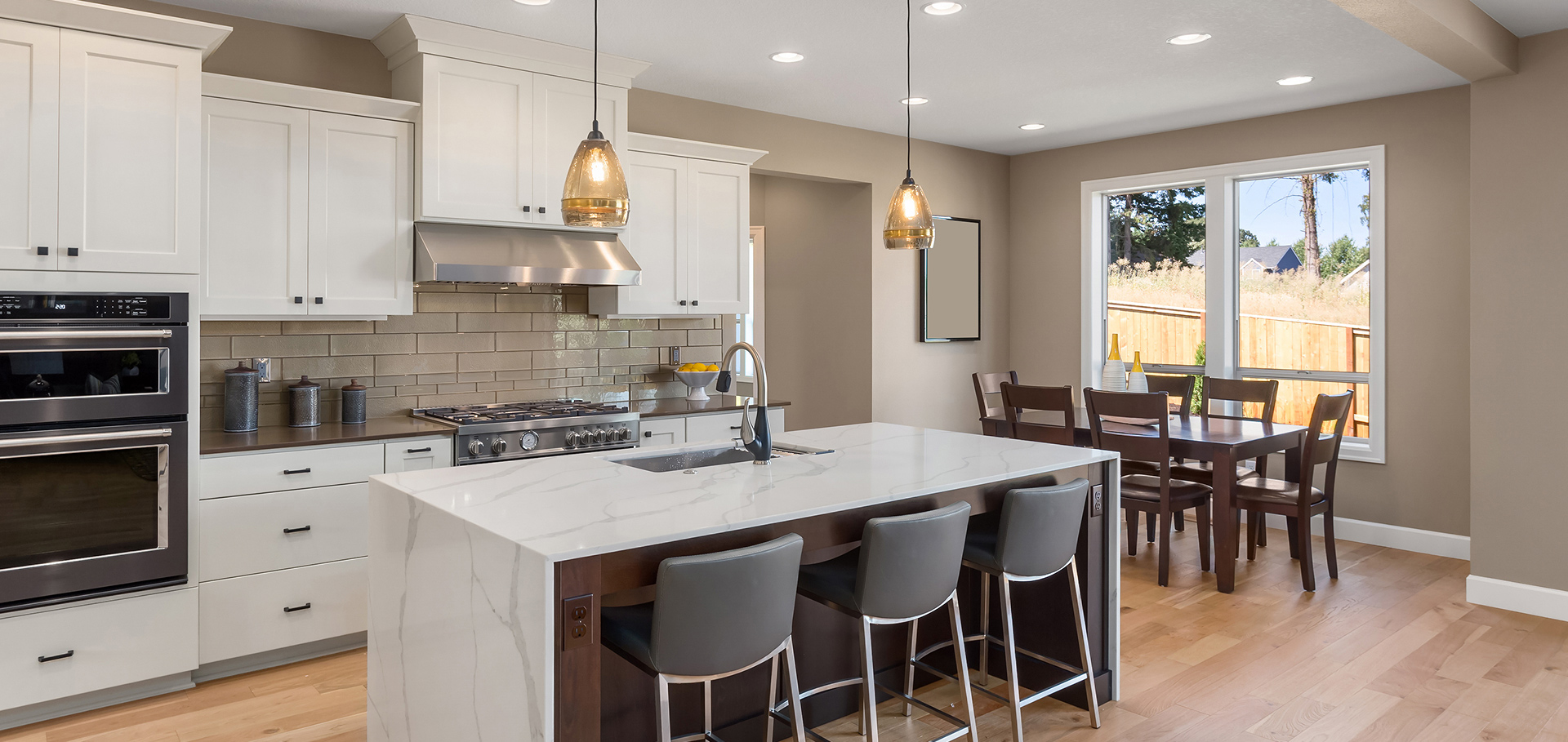
Let us talk about the two rooms that sell houses: the kitchen and the bathroom. If these spaces feel dated, the rest of the house suffers by association. We have walked into homes in Glendale where the kitchen looked like a time capsule from 1985, complete with avocado appliances. IMO, those colors need to stay in the past. A kitchen remodel does not have to cost a fortune, but it does require smart planning.
Choosing Between a Facelift and a Full Gut
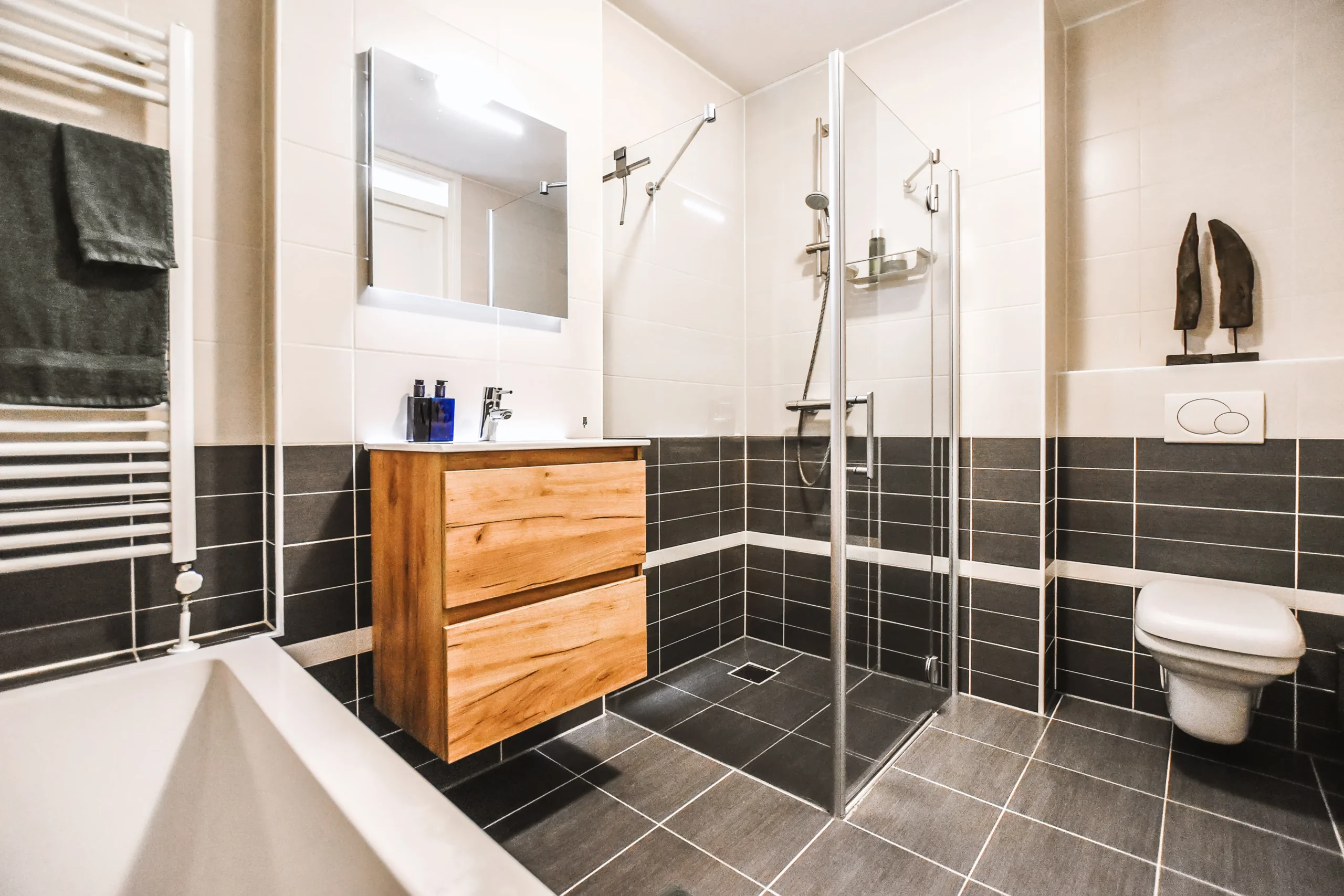
Sometimes, you just need new countertops, a fresh coat of paint, and updated hardware. Other times, you need to rip everything out and start over. How do you decide? Ask yourself: does the layout work? If you constantly bump into people while cooking, that is a layout problem. If the cabinets are solid but ugly, a facelift might suffice. We recently did a bathroom remodel in Englewood where the client wanted to keep the original clawfoot tub but modernize everything else. That was a happy medium that saved them thousands.
Don’t Forget the Plumbing
Here is a little secret: plumbing is where most DIY projects go wrong. We have seen leaks, incorrect venting, and pipes that somehow ended up in the wall sideways. That is why we always recommend hiring a professional for any work involving water. It is not just about code—it is about avoiding a flood in your living room at 3 AM. Trust us, that is not a fun wake-up call.
ADUs and Home Additions: Expanding Without Moving
Maybe your basement is already finished, or you simply want more space on the main floor. That is where ADU (Accessory Dwelling Unit) and home addition projects come in. These are perfect for adding a guest suite, a home office, or even rental income. We recently completed an ADU in Aurora for a couple who wanted their aging parents to live nearby but not in the same house. It worked out beautifully—everyone got privacy, but the grandkids could still run over for cookies.
The Permit Maze
We will be real with you: permits for ADU and home addition projects can be a nightmare. Every city has different rules. Denver allows ADUs in most residential zones now, but Wheat Ridge has stricter setback requirements. Commerce City might require additional parking. Berkley and North Washington have their own quirks too. Instead of spending hours on the city website (and maybe crying a little), let us handle that. As your general contractor, we know the nearest permitting office and the nearby inspectors. We do this every day, so you do not have to.
Structural Considerations
Adding square footage means dealing with foundations, roofs, and load-bearing walls. That is not a job for a weekend warrior. We always bring in an engineer first to make sure the house can handle the new load. It might sound boring, but it beats having a sagging ceiling two years later. Construction is about building something that lasts, not just something that looks good in photos.
The Nitty-Gritty: A Handy Comparison Table
Sometimes, you just want the facts laid out plain. Here is a quick breakdown of common project types and what they typically involve. Use this as a starting point when you chat with us.
| Project Type | Typical Timeline | Average Cost Range (Denver Metro) | Key Considerations |
|---|---|---|---|
| Basement Finishing | 6–10 weeks | $30,000 – $60,000 | Moisture control, egress windows, ceiling height |
| Kitchen Remodel | 4–8 weeks | $25,000 – $70,000 | Layout changes, plumbing relocation, cabinet quality |
| Bathroom Remodel | 3–6 weeks | $15,000 – $40,000 | Waterproofing, ventilation, fixture upgrades |
| ADU (Detached) | 12–20 weeks | $80,000 – $150,000 | Zoning laws, separate utilities, foundation work |
| Home Addition | 10–16 weeks | $50,000 – $120,000 | Permits, structural engineering, roof tie-in |
Note: Costs vary wildly based on finishes, size, and unexpected surprises (like finding knob-and-tube wiring). We always give a detailed estimate before we start.
How to Find the Right Crew for the Job
So, you are ready to tackle a project. Now what? Finding a general contractor you trust is half the battle. We have heard horror stories from homeowners who hired the cheapest bid and ended up with crooked walls and missing permits. Do not be that person. Look for a professional who communicates clearly, shows up on time, and has a portfolio of similar work. Ask for references. Check their license and insurance. And if they promise the moon for pennies, run the other way.
Why We Think We Are a Good Fit
We are not perfect, but we try hard. Juniper Construction has been serving the Denver area for years, and we take pride in our work. Whether you need basement finishing, a kitchen overhaul, or a full home addition, we treat your home like it is our own. We know the nearby suppliers, the nearest dumpster rental places, and the best coffee shops for early morning meetings. Seriously, we have a favorite spot in Edgewater that makes a mean latte.
The Conversation Starter
If you are in Aurora, Lakewood, Glendale, Englewood, Edgewater, Commerce City, Wheat Ridge, Berkley, or North Washington, we are just a phone call away. We offer free consultations, and we do not pressure you into a sale. We just want to hear about your vision and see if we can help make it real. Contact us when you are ready to stop dreaming and start building. We will bring the blueprints and the coffee.
Three Common Questions (Answered Honestly)
1. Can I save money by acting as my own general contractor?
Technically, yes. But we have seen this backfire more often than not. You save on the markup, but you lose on the expertise. Subcontractors often prioritize clients who have a proven track record, so you might get pushed to the back of the line. Plus, if something goes wrong, you are the one fixing it. We have rescued several DIY projects that went sideways, and the homeowners ended up spending more than if they had hired us from the start. So, unless you have a background in construction, we recommend letting a professional handle the coordination.
2. How long does a full home remodeling project really take?
It depends on the scope, but here is the honest truth: add 20% to whatever timeline you first imagine. If you think a kitchen remodel will take six weeks, plan for eight. Delays happen—materials get backordered, inspections get rescheduled, and sometimes we find a surprise behind the drywall. We always build a buffer into our schedule so you are not left scrambling. Communication is key; we update you weekly so there are no ugly surprises.
3. Is it worth it to finish a basement if I plan to sell in five years?
Absolutely, as long as you do it right. A finished basement adds usable square footage, which buyers love. But avoid over-personalizing it. Skip the themed bar with neon signs and go for a neutral, flexible space. Think home gym, guest room, or playroom. That way, it appeals to the widest range of buyers. We have seen homes in Denver sell faster and for more money when the basement is finished, provided the work is up to code and well-executed.
Wrapping This Up Without Being Cheesy
Look, we know that home improvement projects can feel like a roller coaster. There are highs (picking out tile) and lows (finding out your floor joists are rotted). But the end result—a space that truly works for you—is worth every headache. We love what we do, and we love helping people fall back in love with their homes. So, if you are in Denver or any of the surrounding areas we mentioned, give us a shout. Juniper Construction is here to make your next project a success, not a stress fest. And hey, if you just want to chat about tile patterns over coffee, we are up for that too. 🙂