So, you’re thinking about turning that awkward, dusty basement into something actually useful. Or maybe your kitchen cabinets are held together with hope and a little bit of glue, and you’ve finally had enough. We get it. We’ve been there, standing in a room that could be amazing, wondering where on earth to start without losing our minds—or our savings.
Let’s be honest: home renovations can feel like a bad blind date. You show up with high hopes, and suddenly you’re staring at a cracked foundation and a plumbing bill that makes you question your life choices. But here’s the thing—when you find the right partner for the job, it’s more like finding that friend who actually shows up with pizza and a plan. That’s where we come in.
At Juniper Construction, we’ve spent years working with homeowners across the Denver metro area, turning their “what if” into “wow, we actually did it.” Whether you need a full home remodeling project or just want to finish that basement so your teenager stops claiming the living room, we’ve got the tools, the team, and the patience to make it happen. And trust us, you’ll need that patience.
Why Your Basement Deserves More Than Storage
Ever looked at your basement and thought, “This could be a killer home theater, but instead it’s a graveyard for holiday decorations and old exercise equipment”? You’re not alone. Basement finishing is one of the smartest investments you can make in your home, especially in a market like Denver where square footage is basically gold.
We’ve seen basements transform into everything from cozy guest suites to full-on home gyms. One client in Aurora turned their unfinished space into a music studio—complete with soundproofing and a mini bar. Another family in Lakewood converted theirs into a playroom that actually keeps the toys contained. The point is, a finished basement doesn’t just add value; it adds usable living space without the headache of moving.
But here’s the kicker: not all basement finishing projects are created equal. You need a professional who understands things like moisture control, egress windows, and proper insulation. We’ve walked into too many DIY disasters where someone thought they could just throw down some carpet and call it a day. Spoiler alert: mold doesn’t care about your Pinterest board.
What We’ve Learned the Hard Way
IMO, the biggest mistake people make is underestimating the prep work. We always tell our clients: “Plan for the worst, hope for the best, and budget for the unexpected.” That means checking for water issues, upgrading electrical panels, and making sure your HVAC can handle the new space. It’s not glamorous, but neither is a flooded carpet on a Tuesday night.
Kitchen and Bathroom Remodels: The Heart of the Home
If the basement is the hidden gem, the kitchen and bathroom are the superstars. These are the rooms that sell houses, impress guests, and—let’s be real—make your daily life way less annoying. A cramped, outdated kitchen can make you dread cooking. A bathroom from 1985 can make you feel like you’re in a horror movie.
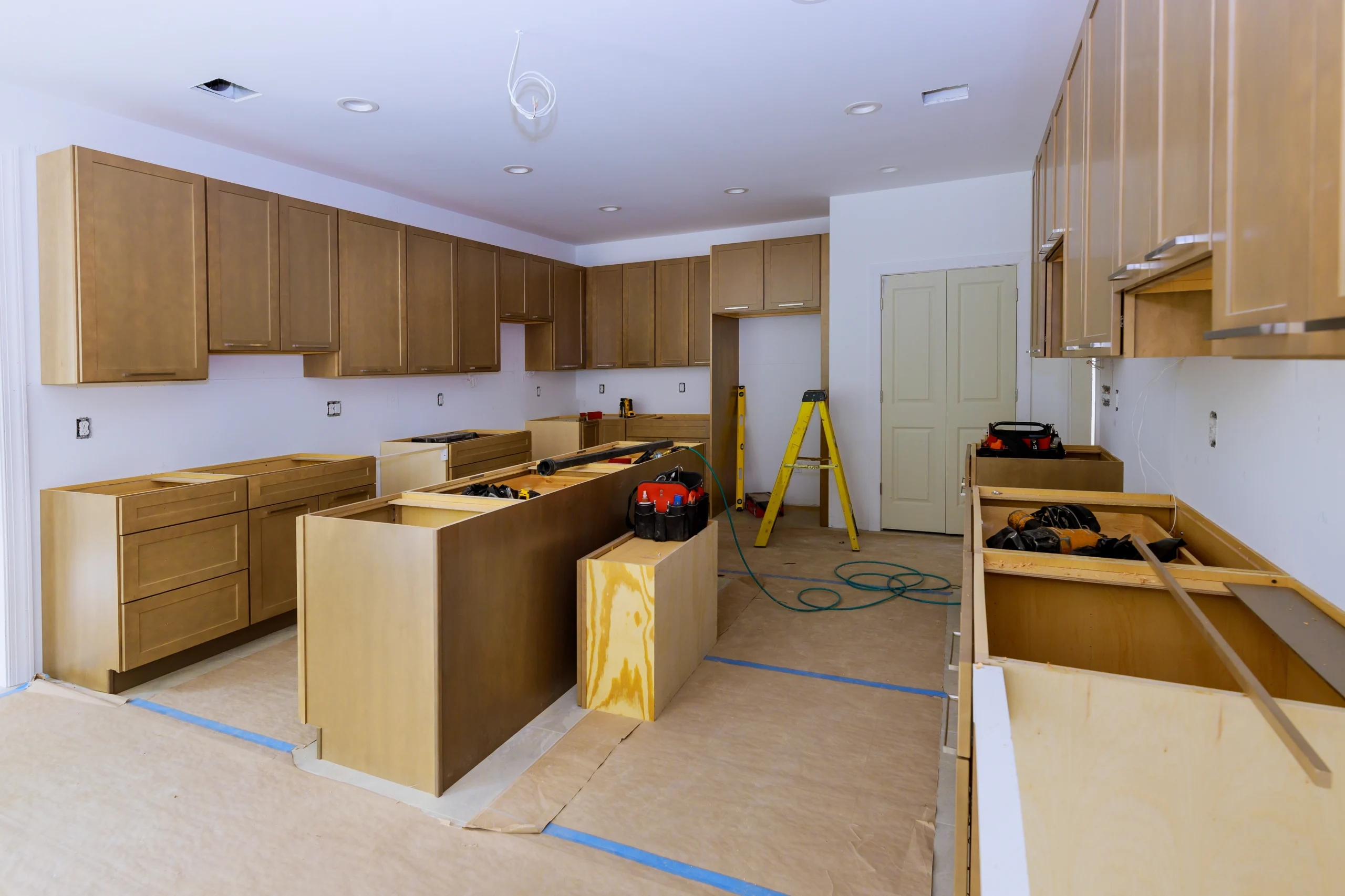
We’ve done kitchen remodels in Glendale that went from “meh” to magazine-worthy. One project involved knocking down a wall to open up the space, adding an island, and installing cabinets that actually closed properly. Revolutionary, right? And for bathroom remodels, we focus on things like walk-in showers, better lighting, and storage that doesn’t require a Tetris degree.
The Golden Rule of Remodeling
Here’s a little secret from our business standpoint: full home remodeling projects work best when you tackle them in phases. Trying to do everything at once is like trying to eat a whole pizza in one bite—it’s messy and you’ll probably choke. We always recommend starting with the spaces you use most, then expanding outward.
For example, a couple in Englewood wanted a brand-new kitchen and a master bath overhaul. We did the kitchen first, then moved to the bathroom a few months later. That way, they still had a functional home during construction. FYI, that’s not just convenience—it’s sanity preservation.
ADUs and Home Additions: More Space, Same Address
Maybe your family is growing, or maybe you just want a dedicated office that isn’t the dining room table. ADU (Accessory Dwelling Unit) construction and home addition projects are booming in Denver right now. Why? Because they let you add serious square footage without the hassle of selling and buying in this crazy market.
We’ve built ADU units in Wheat Ridge that serve as rental income, in-law suites, and even art studios. One homeowner in Berkley added a two-story home addition that included a new master suite and a home office. The best part? They didn’t have to leave their neighborhood or deal with moving trucks.
What Makes a Good Addition?
A successful home addition isn’t just about slapping on extra rooms. It needs to flow with the existing structure, match the roofline, and—most importantly—meet local zoning codes. That’s where a general contractor who knows the area comes in handy. We’ve worked with cities from Commerce City to Edgewater, and each one has its own quirks. Trust us, you don’t want to find out your setback requirements the hard way.
Why Location Matters: We Know Your Neighborhood
One of the perks of being based in Denver is that we know the local landscape. And we mean that literally. Soil conditions, climate patterns, and even neighborhood HOA rules can make or break a project. We’ve done residential work in Aurora, Lakewood, Glendale, Englewood, Edgewater, Commerce City, Wheat Ridge, Berkley, and North Washington. That’s not just a list of names—it’s a map of where we’ve built relationships.
When you hire a general contractor who works near your home, you get someone who understands the local permit process, the best suppliers nearby, and the subcontractors who actually show up on time. We’ve seen what happens when someone brings in a team from two counties over—they miss the little details that matter. So when you’re searching for services near you, remember that proximity isn’t just about convenience; it’s about quality.
A Quick Reality Check
Ever wonder why some renovation projects take twice as long as quoted? Usually, it’s because the contractor didn’t plan for inspections, material delays, or the fact that your 1950s wiring is held together with prayers. We always build a buffer into our timelines because we’d rather under-promise and over-deliver than leave you staring at a half-finished wall for three months.
The Table of Truth: Comparing Your Options
Let’s get a little nerdy for a second. Here’s a breakdown of common residential projects and what you can expect. Use this as a cheat sheet when you’re daydreaming about your next upgrade.
| Project Type | Typical Timeline | Key Considerations | Average ROI (Denver Metro) |
|---|---|---|---|
| Basement Finishing | 6-10 weeks | Moisture control, egress windows, ceiling height | 70-75% |
| Kitchen Remodel | 8-16 weeks | Layout, cabinetry, appliance upgrades | 60-80% |
| Bathroom Remodel | 4-8 weeks | Plumbing, ventilation, tile work | 55-70% |
| ADU Construction | 12-20 weeks | Zoning, utility connections, permitting | 80-90% |
| Home Addition | 16-30 weeks | Foundation work, structural engineering, roof tie-ins | 65-75% |
Note: Timelines and ROI vary based on scope, materials, and whether you decide to change your mind halfway through. We’ve seen it happen.
Common Questions We Hear All the Time
Since we’re chatting like friends, let’s tackle the three questions that pop up in almost every consultation. No fluff, just straight talk.
1. How do I find the nearest general contractor I can trust?
Start by looking for a professional who has experience with the specific type of work you need. Check their reviews, ask for references, and make sure they’re licensed and insured. Our advice? Meet them in person. If they show up late or seem distracted, that’s a red flag. At Juniper Construction, we always do a site walkthrough before giving a quote because we want to see the space and hear your vision firsthand.
2. Should I do a full home remodeling or tackle one room at a time?
That depends on your budget and your tolerance for chaos. A full home remodeling can save you money on permits and labor if you bundle everything together. But it also means living in a construction zone for months. We usually recommend starting with the kitchen or bathroom—they give you the most bang for your buck and the biggest quality-of-life improvement.
3. What’s the biggest mistake homeowners make during renovations?
Underestimating the cost of materials and labor. We’ve seen people buy $10,000 countertops and then realize they don’t have money for new cabinets. Always add a 10-15% contingency fund for surprises. And please, don’t try to act as your own general contractor unless you have a background in construction. We’ve rescued too many projects where someone thought they could save money by managing it themselves. Spoiler: they didn’t.
Wrapping This Up Without the Fluff
Look, we love what we do. There’s something deeply satisfying about walking into a finished space and seeing the look on a homeowner’s face when they realize their dream actually came true. But we also know it’s a big decision, both financially and emotionally. You’re trusting someone with your home—your sanctuary, your investment, your place where you keep all your stuff.
That’s why we keep things straightforward at Juniper Construction. We don’t upsell you on things you don’t need, and we don’t disappear when the going gets tough. If you’re in Denver or any of the surrounding areas we mentioned—Aurora, Lakewood, Glendale, Englewood, Edgewater, Commerce City, Wheat Ridge, Berkley, North Washington—and you’re ready to stop dreaming and start building, give us a call. We’ll bring the pizza and the plan.
After all, your home deserves a little love. And your basement definitely deserves better than that broken treadmill. 🙂