
Ever stared at a wall in your home and thought, “I could totally knock that down,” only to immediately picture the ceiling coming down with it? Yeah, we’ve been there. The leap from daydreaming about your perfect space to actually creating it feels massive. It’s where excitement meets that nagging voice asking, “But how do we even start?” Well, take a deep breath. We’re about to walk through the wild, wonderful world of home transformations, from that initial spark to the final walk-through, and hopefully demystify the whole process.
Let’s be real, the most common question we hear isn’t about tile or cabinet finishes first. It’s this: “How do I find a good general contractor near me?” It’s the million-dollar question, literally. Your project’s success hinges on this single decision. You’re not just hiring labor; you’re choosing a partner, a translator for your vision, and a professional who will manage the chaos so you don’t have to.
Finding Your Project’s Quarterback
Think of your general contractor as the head coach of your residential construction team. They call the plays, manage the subs, order the materials, and keep the whole game on schedule. Skipping this and trying to coordinate plumbers, electricians, and carpenters yourself is a part-time job you didn’t sign up for—trust us, we’ve seen the DIY disasters.
So, how do you find the nearest great fit? Word-of-mouth is gold. Ask your neighbor who just did a stunning kitchen renovation. Check reviews, but read between the lines. Look for a company with a solid portfolio of projects similar to yours, whether it’s full home remodeling or a specific bathroom update. For those of us in the Denver metro, proximity matters for efficiency. A team based in Denver, like us at Juniper Construction, can swiftly service nearby areas like Aurora, Lakewood, and Englewood without the cross-town commute lag. It just makes the logistics smoother.
Here’s a pro-tip: Your first meeting should feel like a conversation, not a sales pitch. Are they listening, or just waiting to talk? Do they ask “why” behind your ideas? That’s the difference between a hired hand and a true collaborator.
Blueprints & Daydreams: Defining Your Scope
Alright, you’ve got a shortlist of professionals. Now, what exactly are we building? This is the fun part. Scope can range from a single-room refresh to a full-blown architectural adventure.
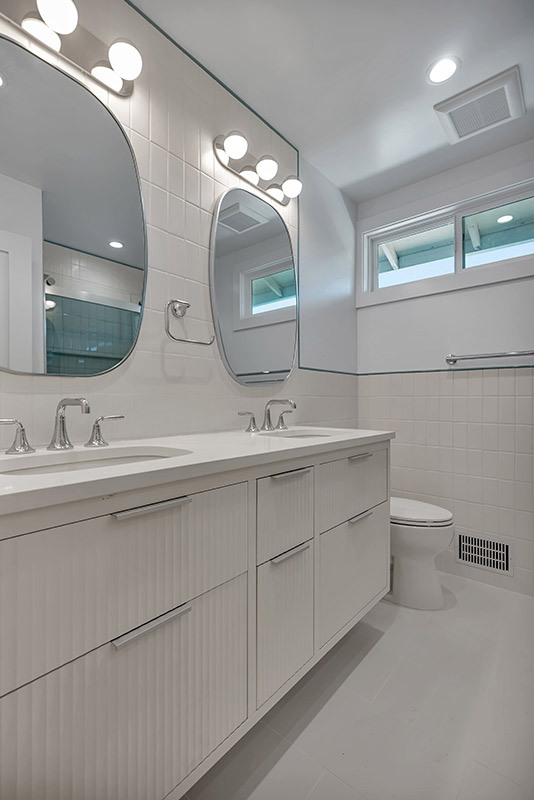
- The Heart of the Home: Kitchen and bathroom renovations are classics for a reason. They offer huge returns in daily joy and resale value. But IMO, a kitchen remodel is a beast of its own—living without a sink for weeks builds character, or so we tell ourselves 🙂
- Growing Up & Out: Need more space? A home addition is a major undertaking but lets you truly customize. Or, consider an ADU (Accessory Dwelling Unit)—a genius way to add value, rental income, or a killer in-law suite.
- Unlocking Hidden Potential: Got a concrete cave? Basement finishing is one of the smartest ways to square footage. It’s like finding free space under your own feet.
- The Whole Shebang: Full home remodeling is a symphony of trades and timelines. It’s not for the faint of heart, but the transformation is unparalleled.
Let’s break down a typical project path. FYI, this isn’t just theory; it’s our daily playbook at Juniper Construction.
| Phase | What Happens | Why It’s Crucial | Your Role |
|---|---|---|---|
| Discovery & Design | Initial chats, concept drawings, space planning. | Aligns vision, budget, and feasibility. No surprises later. | Dream big! Bring your Pinterest boards. Be honest about needs vs. wants. |
| Pre-Construction | Finalizing plans, securing permits, detailed scheduling, material ordering. | The “paperwork” phase that makes the build phase run smoothly. | Make firm decisions on finishes. Approve plans and timelines. |
| Construction | Demolition, framing, rough-ins, installations, finishes. | Where the magic (and dust) happens. | Stay communicative but let the crew work. Weekly check-ins are key. |
| Final Walkthrough & Closeout | Punch list creation, final touches, system tutorials, warranty info. | Ensures every detail meets your standards before project closure. | Be meticulous. Test every switch, faucet, and door. |
The Nitty-Gritty: Budgets, Timelines & Surviving the Process
Let’s talk money. Your budget should have a contingency—usually 10-20%. Why? Because behind your walls lies a universe of mysteries. We once found a vintage bowling ball where a pipe should have been. True story. A good general contractor will help you prioritize where to splurge and where to save to make that budget work hardest.
Timelines? They’re estimates, not promises etched in stone. Weather, material delays (a classic), and those hidden wall surprises can shift things. A professional team will communicate these hiccups immediately.
And how do you survive living in a construction zone? Set up a temporary kitchenette. Seal off dust zones as best you can. And remember, the mess is temporary, but the result is permanent. It’s a marathon, not a sprint.
Why Local Expertise Isn’t Just a Buzzword
Here’s where we get a bit opinionated. Choosing a local Denver contractor isn’t just about convenience. It’s about someone who knows the specific building codes in Edgewater versus Commerce City. They understand our soil, our weather patterns, and which materials stand up best to Colorado’s wild climate swings. They have established relationships with inspectors in Wheat Ridge or Berkley, which can streamline the permit process.
For example, a home addition in North Washington has different considerations than one in Glendale. A team that’s worked all over the metro, like ours at Juniper Construction, brings that hyper-local knowledge to your doorstep. It prevents avoidable mistakes and saves you time and stress. When you’re looking for services, that local insight is a silent but massive value-add.
Your Questions, Answered (No Fluff)
1. How long will my renovation actually take?
This is the big one. A simple bathroom might take 3-5 weeks. A major kitchen overhaul or basement finishing could be 8-12 weeks. A full home remodeling project or home addition often runs 4-6 months or more. The key factor? Complexity and change orders. Making major decisions mid-stream is the biggest timeline killer. Get your choices locked down early!
2. How do I prepare for the disruption?
Psychologically, accept that there will be dust, noise, and strangers in your space. Practically, pack up the room(s) completely, create clear pathways, and establish a “safe zone” in your house that’s off-limits to the chaos. And talk to your neighbors! A heads-up and a six-pack can go a long way 🙂
3. What’s the biggest mistake homeowners make?
Underestimating the importance of clear communication. Assuming your contractor can read your mind leads to disappointment. See a tile layout you don’t like? Speak up now, not after it’s set in thinset. We at Juniper Construction build detailed schedules and hold regular updates because we know an informed homeowner is a happy homeowner.
So, where does this leave us? That daydream about a new space doesn’t have to be intimidating. It starts with a solid plan and the right partner. It’s about asking the right questions and embracing the journey, weird wall discoveries and all. If your vision involves more space, smarter layouts, or just a home that finally feels like you, that’s a journey worth taking. And if you’re in Denver or a nearby community like Aurora or Lakewood and want to chat about making those walls move (intentionally), you know where to find us. Let’s build something amazing.