Ever stared at a wall in your home and thought, “I could knock this right out,” only to remember you have zero idea where the load-bearing beams are? Yeah, we’ve been there, both as homeowners and now as the folks who get the frantic calls after the DIY spirit gets a little too ambitious. Let’s talk about transforming your Denver home, but let’s do it the smart way—without the dust-cloud-of-regret phase.
We’re going to walk through the wild world of residential construction and renovations, from that dream kitchen to adding an entire ADU for your mother-in-law (we promise we won’t judge the reasoning). Consider this your friendly, slightly caffeinated guide to making it happen.
So, You’re Thinking About a Renovation. Now What?
First things first. The single biggest leap from “idea” to “finished project” isn’t picking paint swatches—it’s choosing the right team. You wouldn’t let just anyone perform surgery on you, right? Okay, maybe that’s a bit dramatic, but your home is where you live, breathe, and binge-watch your favorite shows. It deserves a professional touch.
This is where the role of a general contractor becomes non-negotiable. IMO, trying to coordinate plumbers, electricians, and carpenters yourself is a part-time job you didn’t apply for and won’t get paid for. A good GC is your translator, your quarterback, and your shield against the chaos. They handle the permits, the schedules, and the “why is there a random pipe here?” surprises.
Why does this matter for your Denver home? Well, every area, from Aurora to Lakewood, has its own quirks in building codes. What flies in Glendale might need a second look in Englewood. A local pro knows this dance.
The Menu of Mayhem: What Can You Actually Do?
Let’s break down the common projects we see here in the Front Range. It’s not just about fixing what’s broken; it’s about enhancing how you live.
The Heart of the Home: Kitchen & Bathroom Revamps
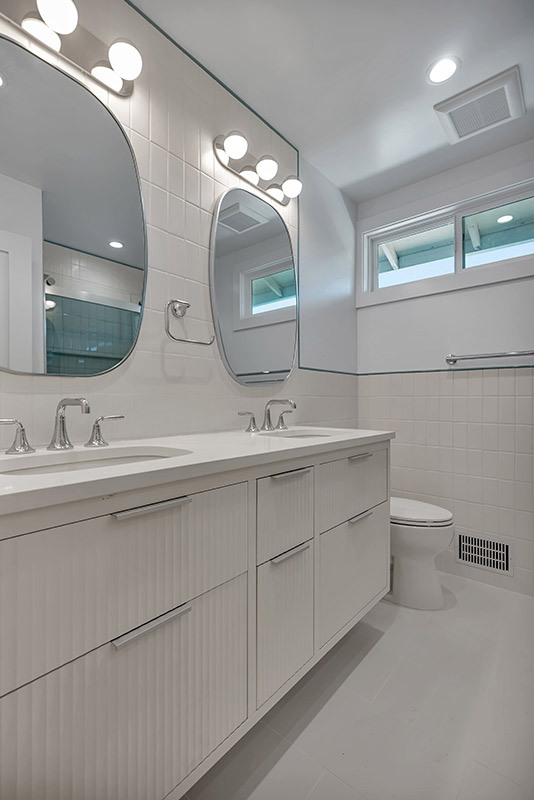
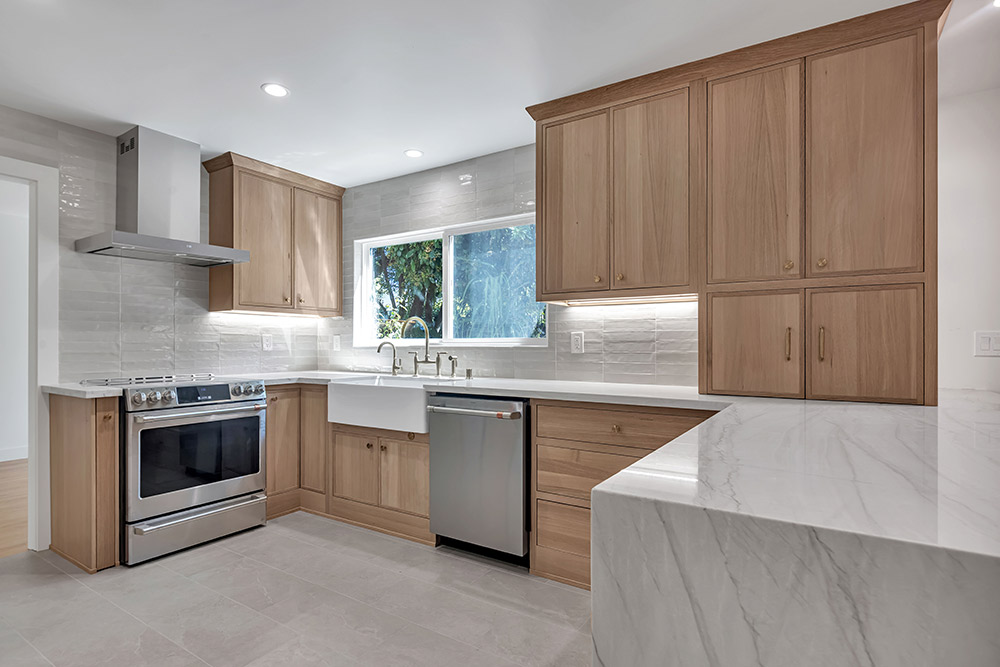
These are the big-ticket items for a reason. A kitchen remodel isn’t just new cabinets; it’s reimagining your morning coffee ritual and where everyone gathers during parties. A bathroom renovation? That’s about creating a personal spa, not just replacing a leaky faucet. These projects offer huge returns in daily joy and home value, but they require precise planning. One wrong measurement and your fridge ends up blocking a doorway. We’ve seen it (and fixed it).
Going Downstairs: The Magical World of Basement Finishing
In Denver, where space can be at a premium, that concrete dungeon under your house is pure gold. Basement finishing isn’t just throwing up some drywall. It’s about moisture control, proper egress, and creating a space that feels like a natural part of the home, not an afterthought. It’s the perfect spot for a game room, home theater, or that secret gym membership you keep meaning to use.
Growing Out or Up: Home Additions & ADUs
Need more room but love your location? A home addition is a major undertaking, but it lets you stay in the neighborhood you love. Then there’s the ADU, or Accessory Dwelling Unit. These backyard cottages or converted garages are exploding in popularity in places like Wheat Ridge and Berkley. They’re perfect for rental income, a home office, or that “independent but nearby” space for family.
Why “Near Me” Matters More Than You Think
We get it. You’ll search for “general contractor near me” or “basement finishing near Denver.” And you should! But let’s talk about why proximity is a genuine advantage, not just a search term.
A contractor based nearby in, say, Edgewater or Commerce City, isn’t just fighting less traffic to get to your site (though that’s a nice perk). They understand the specific soil conditions, the common architectural styles in North Washington, and the permit timelines at your local city hall. They have established relationships with suppliers and inspectors in your area. This local knowledge saves you time, money, and a staggering number of headaches.
For example, at our company, Juniper Construction in Denver, we’ve built our entire operation on being Denver natives. We know the difference between a project in historic Englewood and new development in Aurora. That hyper-local expertise means we can anticipate problems before they become budget-busters for you.
The Nuts, Bolts, and Reality Check
Let’s get practical. Here’s a quick comparison of project scales to set expectations:
| Project Scale | Typical Scope | Budget Mindset | Timeline |
|---|---|---|---|
| Single-Room Refresh | New fixtures, paint, flooring. Cosmetic updates. | “An investment in my sanity.” | A few weeks |
| Major Room Remodel | Kitchen or bathroom gut job; moving plumbing/electrical. | “We’re going for ROI and daily joy.” | 1-3 months |
| Full Home Remodeling | Whole-house overhaul; often lived-in during construction. | “This is our forever home upgrade.” | 3-6+ months |
| Structural Addition | Adding square footage (ADU, new master suite). | “We’re building our dream, literally.” | 4-8+ months |
A quick business anecdote: We once had a client ask for a “simple” wall removal. Turned out, it was holding up more than just pictures. Because we did our diligence, we engineered a beautiful beam solution instead of creating a cave-in. The lesson? Always, always get a professional assessment before you fall in love with a sledgehammer.
Your Questions, Answered (Without the Jargon)
We hear the same smart questions all the time. Here are the straight answers.
1. How much is this going to cost, really?
The classic “how long is a piece of string?” question. A professional will give you a detailed, transparent bid, not a wild guess. For a meaningful number, you need a defined scope. Think about it: “bathroom renovations” could mean a new toilet or a steam shower with imported tile. The best approach? Set a realistic budget range first, then work with your contractor to design a plan that fits it. FYI, a good rule of thumb is to add a 10-15% contingency for the “oh, wow” moments every old house has.
2. How do I find a contractor I can actually trust?
Beyond the “nearest” search, dig deeper. Check reviews that mention communication and problem-solving. Ask for references and actually call them. Look at a portfolio of completed services. Do their finished projects look like the quality you want? Do they specialize in residential work like yours? For instance, at Juniper Construction, we encourage potential clients to visit a past job site (with the homeowner’s permission, of course). Seeing the craftsmanship firsthand beats any sales pitch.
3. Can I live in my home during a full home remodeling project?
Technically, yes. Practically? It’s a test of patience worthy of a zen master. For large-scale projects, we often recommend planning for a short rental or staying with family for the worst phases. The dust, the noise, the workers using your bathroom… it’s a lot. We plan our projects to minimize disruption, but it’s still construction. It’s messy and loud by nature. Just being honest 🙂
Wrapping This Up (Without the Hard Sell)
At the end of the day, any construction project is a journey. It should be exciting, not terrifying. The right partner makes all the difference between a story that starts with “Our nightmare renovation…” and one that starts with “You have to see what we did!”
If your vision involves more than just a weekend at the hardware store—whether it’s a basement finishing project in Lakewood, an ADU in Wheat Ridge, or a full home remodeling in Denver proper—it’s worth having a real conversation with a team that gets it.
We built Juniper Construction because we believe this process should be collaborative, clear, and even fun. So, if you’re in Denver or the surrounding areas and those daydreams about your home are getting more persistent, why not reach out? Let’s grab a coffee and talk about what’s behind that wall you’ve been staring at. We promise to find the beams first.