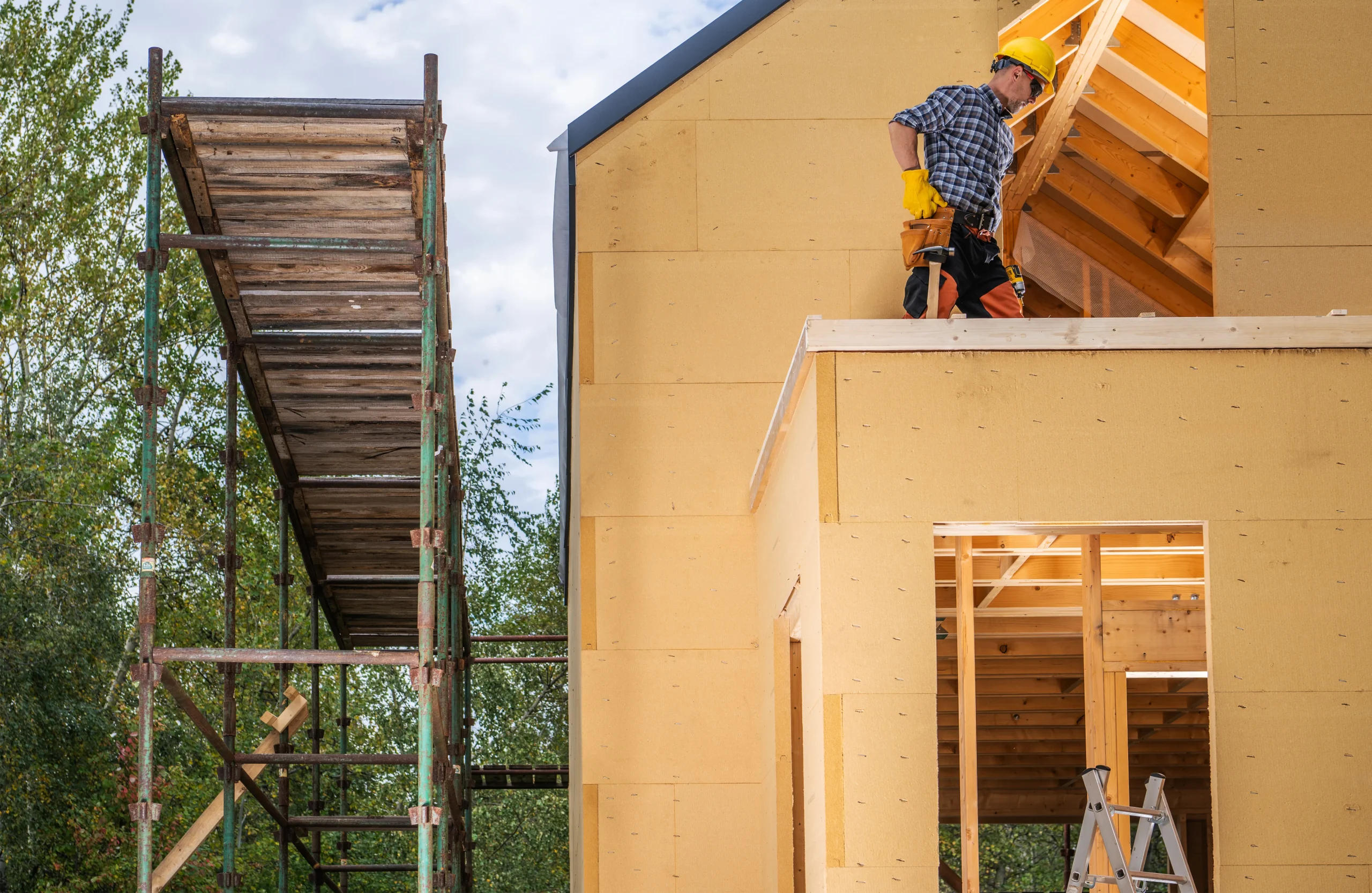
You know that feeling when you walk into a room in your own house and just sigh? Not the good kind of sigh, either. The kind that says, “I guess this is my life now,” as you stare at that one wall color you picked out in 2015. We have all been there. Whether you are tripping over a poorly placed island in the kitchen or trying to figure out how to make that awkward corner in the basement actually useful, you are probably thinking about a change. And honestly, you deserve a space that does not make you want to call a therapist.
So, let us talk about how we actually make that happen without losing our minds or our life savings. As someone who has seen way too many DIY shows make things look way too easy (spoiler alert: they are lying), we want to give you the real scoop on transforming your home. From figuring out if you need a full home remodeling or just a facelift, to finding the nearest crew that won’t ghost you, we are covering it all today.
Why Your Home Feels Like a Half-Finished Puzzle
Ever wonder why your house feels like it has “potential” but never quite gets there? It is usually because we treat renovations like a weekend hobby instead of a strategic project. We buy a new couch, then realize it clashes with the flooring, so we buy new flooring, and suddenly we are living in a construction zone for six months. IMO, the biggest mistake people make is skipping the planning phase.
That is where a professional mindset changes everything. When we work on a home addition or a tricky basement finishing job, we always start with the big question: “What do you actually need this space to do?” Do not answer that yet. Think about it. Do you need an ADU for aging parents? A kitchen that actually lets you cook without hitting your partner with a spatula? Or maybe you just want a bathroom that does not look like it survived the 1980s.
The point is, jumping into construction without a solid plan is like trying to bake a cake without a recipe. You might end up with something edible, but it will probably look like a disaster. We have seen it happen more times than we can count.
The “Who Do I Call?” Dilemma
So, you have decided to stop living with that ugly linoleum. Great. Now comes the fun part: finding someone to actually do the work. If you are in the Denver metro area, you might feel overwhelmed by options. Do you call a handyman? A specialist? A magician? :/
Here is the truth: not all contractors are created equal. You need a general contractor who understands the chaos of residential construction and can actually manage it. We are not just talking about someone who can swing a hammer. We are talking about a professional who handles permits, coordinates electricians, and makes sure the drywall dust does not end up in your coffee.
At Juniper Construction in Denver, we see this every day. People call us after they have already hired someone cheap, and now they have a half-finished room and a headache. Our advice? Do your homework. Look for a company that specializes in full home remodeling and has a portfolio that actually matches your style. If you live in Aurora, Lakewood, Glendale, Englewood, Edgewater, Commerce City, Wheat Ridge, Berkley, or North Washington, you have nearby options. But “nearby” does not always mean “good.”
What to Look for in a Crew
- Licensing and Insurance: This is non-negotiable. If they do not have it, run.
- Clear Communication: If they take three days to reply to a text, imagine how long a project will take.
- Local Experience: Someone who knows the building codes in Denver and the surrounding suburbs is worth their weight in gold.
The “Full Home Remodeling” Myth vs. Reality
Let us clear something up right now. When you hear full home remodeling, you might picture a complete gut job that costs the same as a small car. And sure, sometimes that is the case. But more often than not, we find that people just need a strategic overhaul. Maybe you only need to update the kitchen and add a bathroom downstairs.
We once worked with a family in Lakewood who thought they needed to tear down walls. After a walkthrough, we realized they just needed better lighting and a different layout. We saved them about 40% of their budget by being honest. That is the kind of relationship you want with your contractor. Not someone trying to upsell you on marble countertops when you just want a functional sink.
When to Go Big or Go Home
- Basement Finishing: This is usually a high-ROI project. If you have an unfinished basement, you are literally sitting on free square footage.
- Home Addition: Only do this if you have exhausted other options. Adding a room is expensive, but sometimes necessary.
- ADU Construction: This is a hot trend right now, especially in Denver. We love building ADUs because they add value and flexibility. Think rental income or a guest suite.
Kitchen and Bathroom: The Heart of the Headache
Let us be real for a second. Kitchen and bathroom renovations are the most stressful projects you can tackle. They involve water, electricity, and usually a tight timeline because you need to brush your teeth somewhere. FYI, if you are planning a kitchen remodel, expect to live on takeout for at least two weeks. That is just the price of progress.
From a business standpoint, we always tell clients to focus on the flow. A beautiful kitchen that is impossible to move around in is just a pretty prison. Same goes for a bathroom—you want it to feel like a spa, not a closet. We recently did a bathroom remodel in Glendale where the homeowner insisted on a massive soaking tub. Halfway through, they realized they never take baths. We swapped it for a larger shower, and they still thank us every time we see them.
The “Must-Haves” for a Kitchen Renovation
- Good lighting: Under-cabinet lights are a game-changer.
- Smart storage: Pull-out shelves and lazy Susans beat digging in a dark cabinet.
- Durable counters: Quartz is our go-to. Granite is fine, but it requires sealing.
The “Near Me” Trap
We get it. When something breaks, you Google “general contractor near me” and hope for the best. But here is the thing: the nearest contractor might not be the best for your specific project. We have seen people in Wheat Ridge hire a guy from Commerce City just because he was “close,” only to find out he specialized in commercial buildings, not residential work.
If you are in Aurora or Edgewater, look for a company that has a proven track record in residential spaces. Juniper Construction serves all these areas, and we know the quirks of each neighborhood. For example, homes in Berkley often have older foundations that need special attention. A professional will know that. A random handyman might not.
A Quick Look at Project Timelines
| Project Type | Average Timeline | Common Delays | Cost Range (Denver Area) |
|---|---|---|---|
| Kitchen Remodel | 4-8 weeks | Cabinet delivery, countertop fabrication | $25,000 – $60,000 |
| Bathroom Remodel | 3-5 weeks | Plumbing issues, tile backorders | $10,000 – $30,000 |
| Basement Finishing | 6-12 weeks | Moisture problems, permit approvals | $20,000 – $50,000 |
| Home Addition | 3-6 months | Foundation work, weather delays | $50,000 – $150,000+ |
| ADU Construction | 4-8 months | Zoning issues, utility connections | $80,000 – $200,000+ |
The “Aurora” Advantage and Other Local Secrets
Every suburb has its own personality. Homes in Aurora tend to have larger lots, which makes home addition projects easier. In Englewood, you often deal with older charm that needs structural updates. North Washington properties sometimes have unique zoning that allows for creative ADU builds.
When we work in Lakewood, we always check the soil conditions before starting any construction. That might sound boring, but trust us, it saves thousands of dollars later. The point is, a local general contractor knows these details. Do not hire someone from out of state who has to Google your address.
The Three Questions We Always Get
1. How do I know if I need a permit?
Honestly, if you have to ask, you probably need one. Most renovations that involve structural changes, electrical work, or plumbing require permits. Skipping them is a gamble that can cost you when you sell the house. We always pull permits for our clients. It protects everyone.
2. Can I live in my house during a full home remodeling?
Technically yes, but we do not recommend it. Unless you enjoy the smell of drywall dust and eating cereal on a stack of boxes, find a temporary spot. We once had a client who stayed in their home during a kitchen remodel. They ended up using a camping stove in the garage for three weeks. It was not cute.
3. What is the best way to budget for surprises?
Set aside 15-20% of your total budget for “oops” moments. Found rotten wood behind a wall? That is your contingency fund. Found a hidden safe? That is your lucky day. We always tell clients to plan for the worst and hope for the best. It keeps the stress levels manageable.
Wrapping This Up Without the Fluff
So here is the deal. Your home is not just a place to sleep. It is where you live, work, and probably spill coffee on the carpet. Making it better does not have to be a nightmare. It just takes the right approach and the right people.
If you are in Denver or any of the surrounding areas we mentioned, we would love to chat. At Juniper Construction, we actually enjoy this stuff. We do not just build walls; we build spaces that make sense for your life. Whether you need a bathroom that does not look like a crime scene or a basement finishing project that adds real value, give us a call. We promise we will not make you eat cereal in the garage.
And hey, if you are still reading this, you are probably serious about making a change. So stop overthinking it. Your house is waiting.